
Cuisine
Thai
Thai Cuisine: Tradition and Technique
Thai cuisine represents a distinct culinary tradition rooted in the geography and cultural history of Thailand. It exists as a system of flavors and methods developed over centuries, reflecting the balance of sweet, sour, salty, and spicy elements that define its identity. This taxonomy serves to categorize and explore the dishes, ingredients, and techniques that compose Thai culinary art, emphasizing its unique approach to harmony and freshness.
The culinary purpose of Thai cuisine lies in its disciplined layering of flavors and textures, achieved through careful preparation and respect for seasonal ingredients. Unlike superficial stereotypes, Thai cooking demands precision and understanding of technique, such as the controlled use of heat and timing to preserve the integrity of herbs and spices. This discipline parallels the care found in other great food cultures, where simplicity is a form of mastery rather than convenience.
Culturally, Thai cuisine is inseparable from its social and environmental context. The methods employed are a response to local resources and communal eating customs, highlighting the importance of balance and hospitality. Appreciating Thai food through this lens reveals a cuisine that, like Italian cooking, honors tradition through technique and care rather than mere trend or exoticism. This taxonomy invites a deeper engagement with Thai culinary practices as a serious and refined art form.
Recipes
Showing 13 of 13 recipes
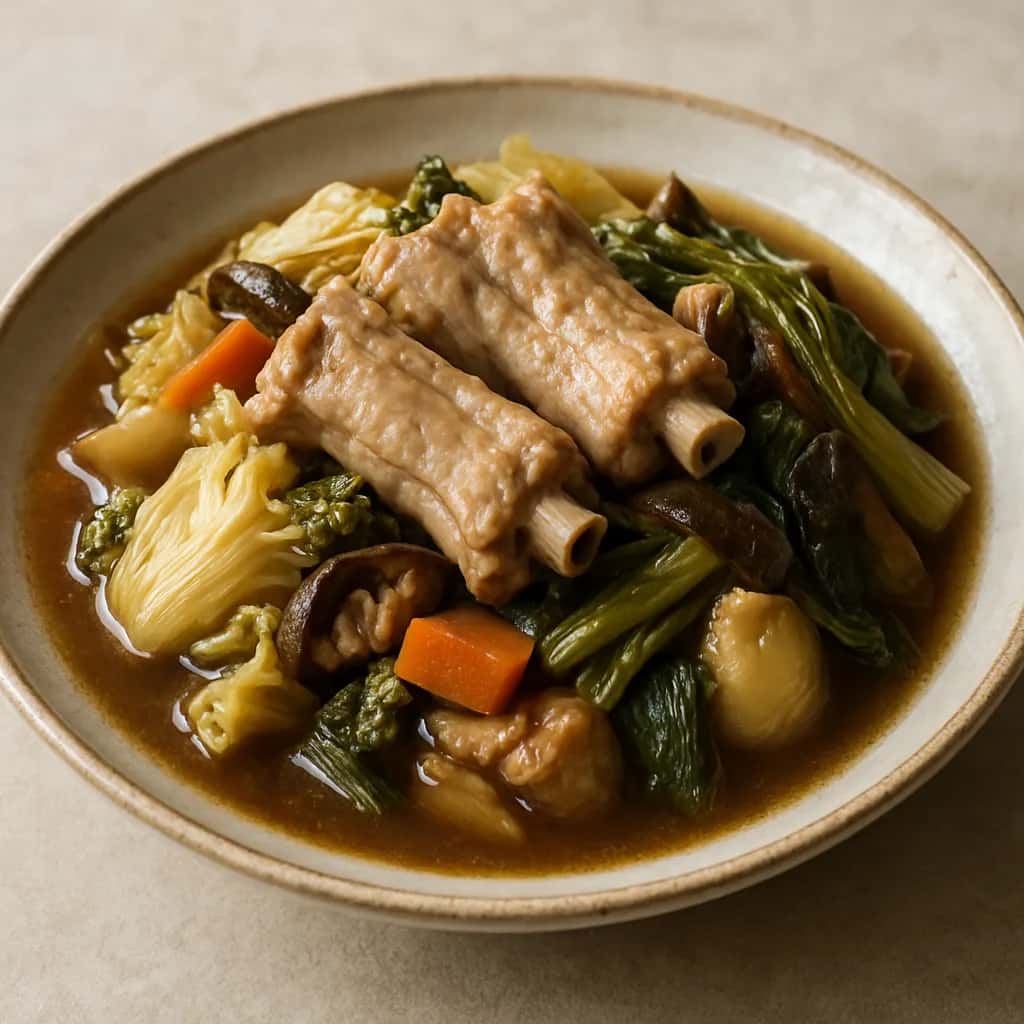
Grandma's Pork and Vegetable Stew (Jab Chai)
Jab Chai, a comforting Thai stew with pork ribs and vegetables, is a simple yet deeply flavorful dish. Inspired by Teochew Chinese immigrants, this stew highlights the beauty of slow-cooked ingredients.
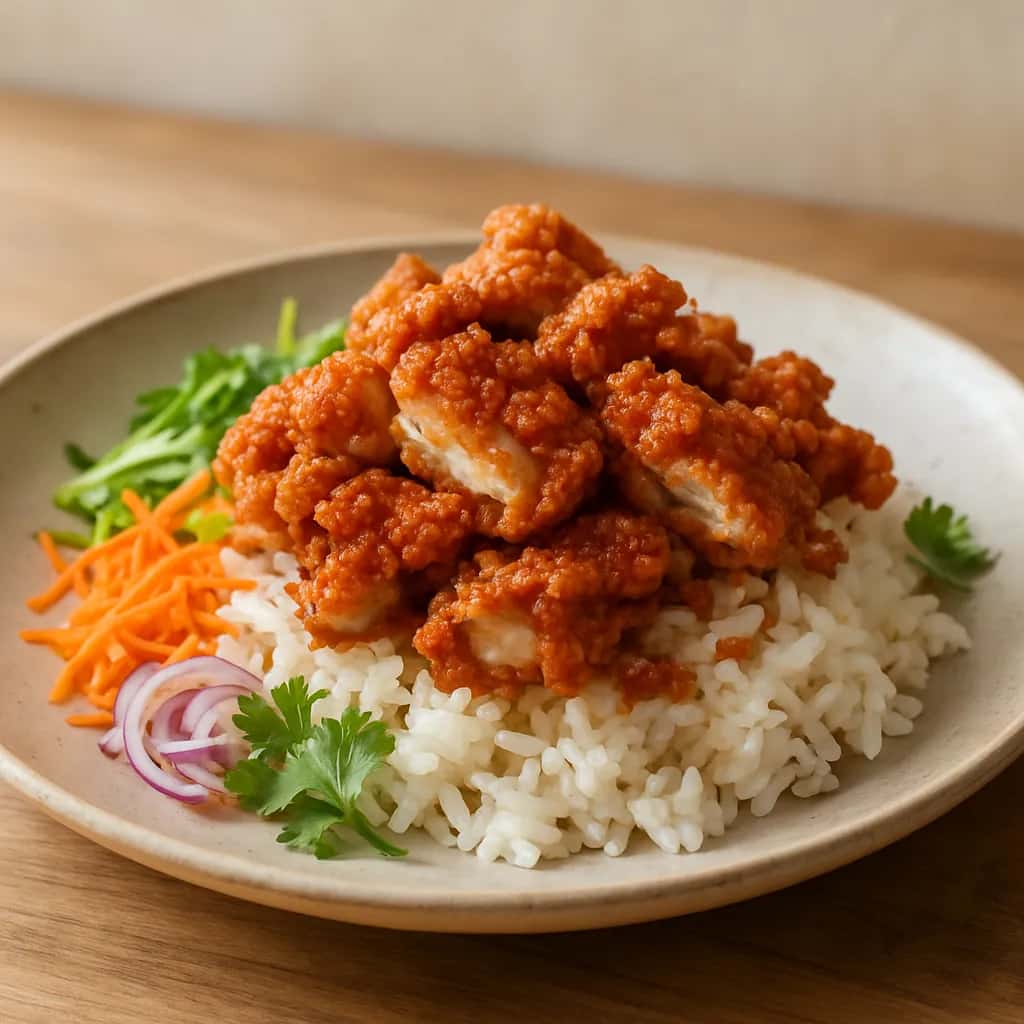
KFC Thai Spicy Chicken Rice Bowl (Khao Yum Gai Zabb)
This dish marries crispy popcorn chicken with traditional Thai laab seasoning, offering a bold and vibrant flavor profile. The genius lies in the crunchy texture and tangy dressing that keeps it crisp.
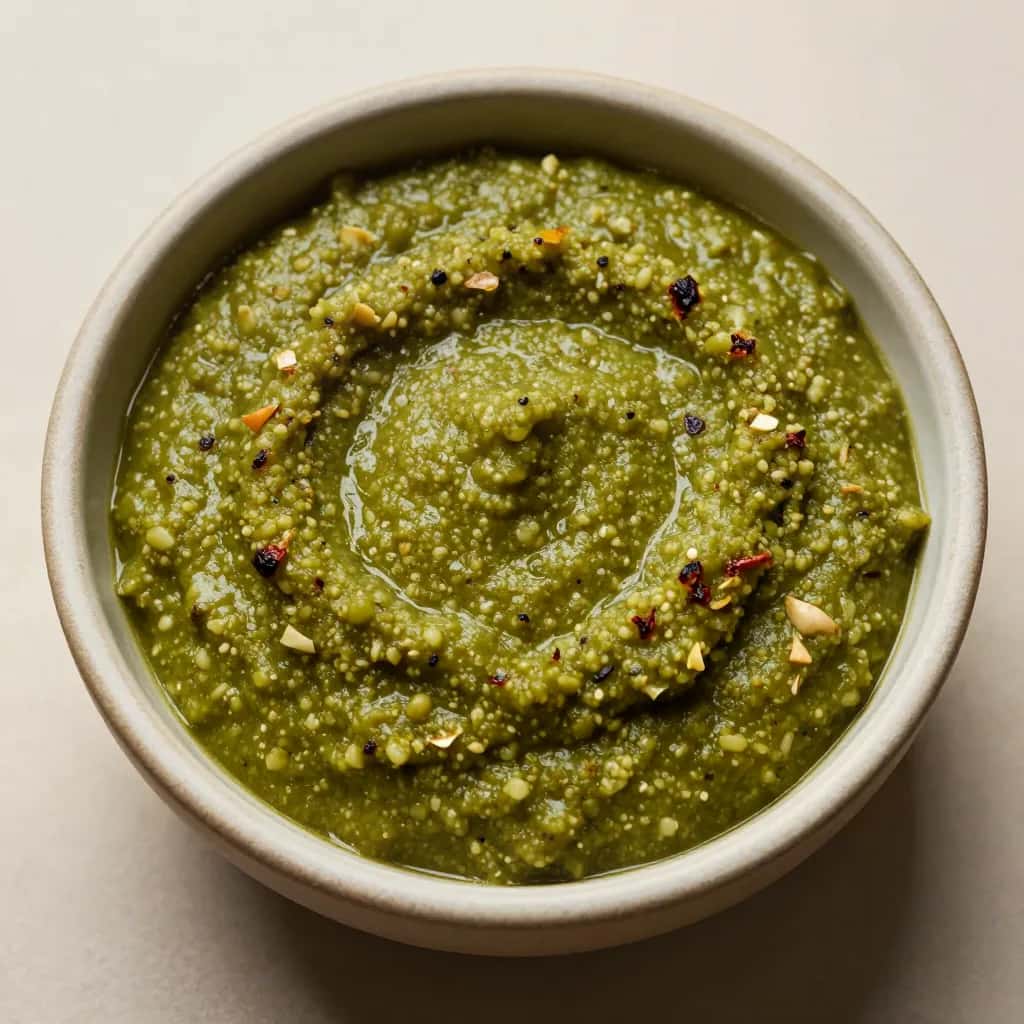
Roasted Green Pepper Dip (Nam prik noom)
A smoky, flavorful Thai dip made with roasted green chilies, garlic, and shallots. Perfect for a spicy appetizer or side dish.
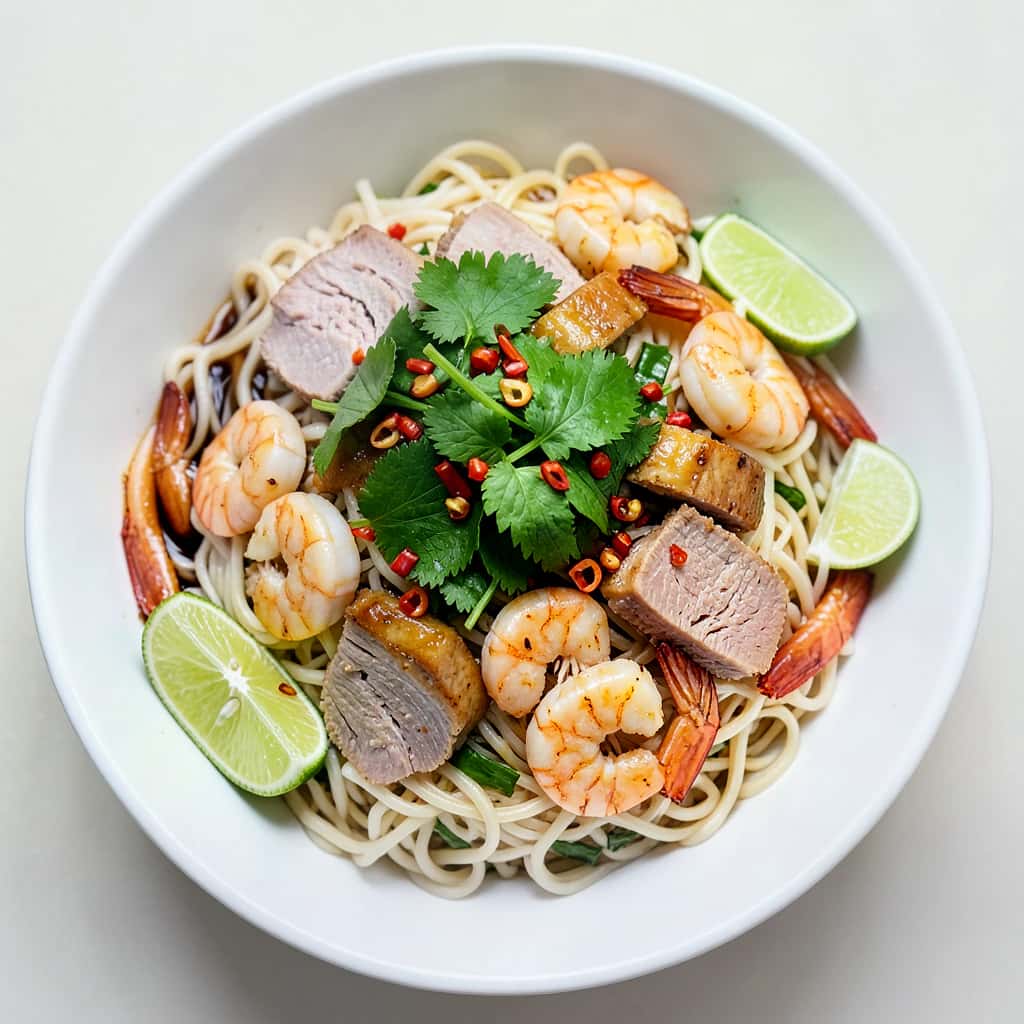
Soupless Tom Yum Noodles
A burst of spicy, sour, and sweet flavors in every bite! Perfect for a noodle bar party!
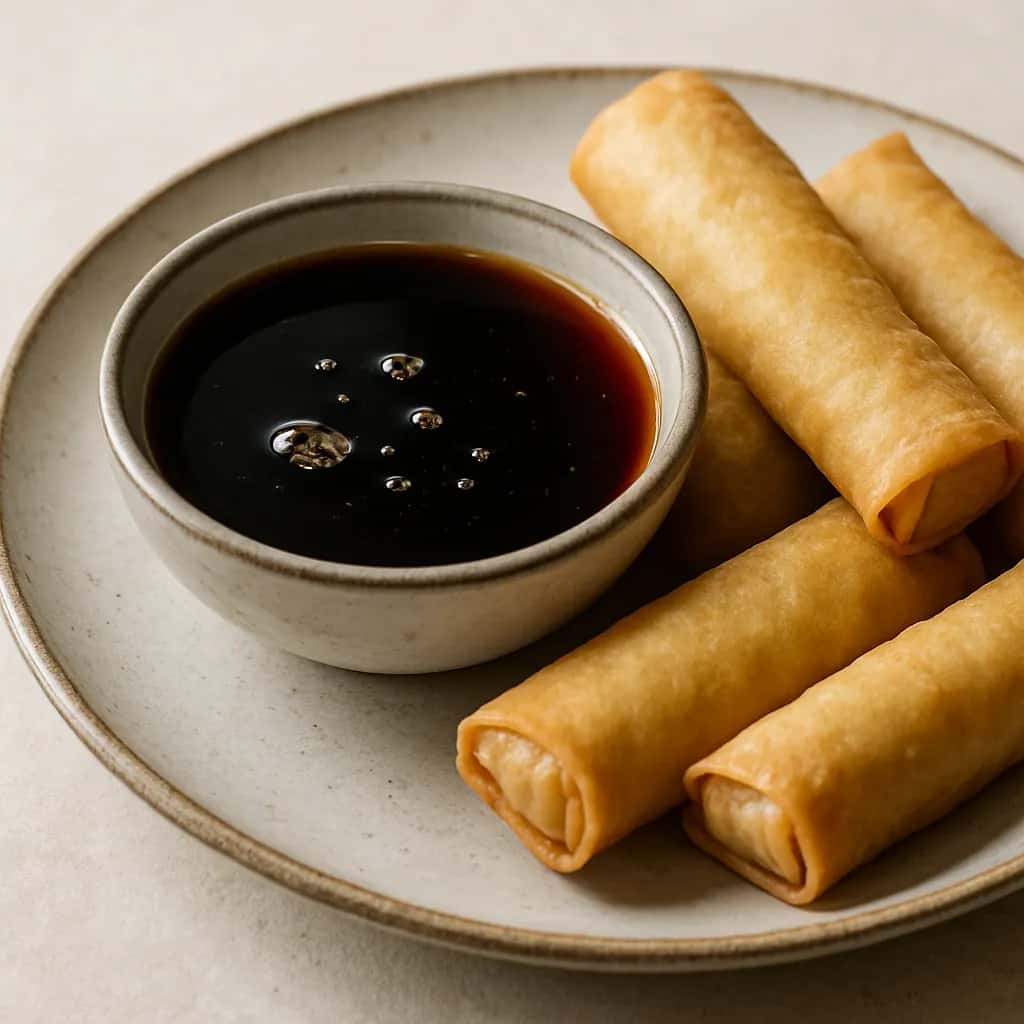
Spring Roll Dipping Sauces
Three distinct dipping sauces rooted in authentic Chinese culinary sensibilities to elevate the experience of classic Chinese spring rolls.
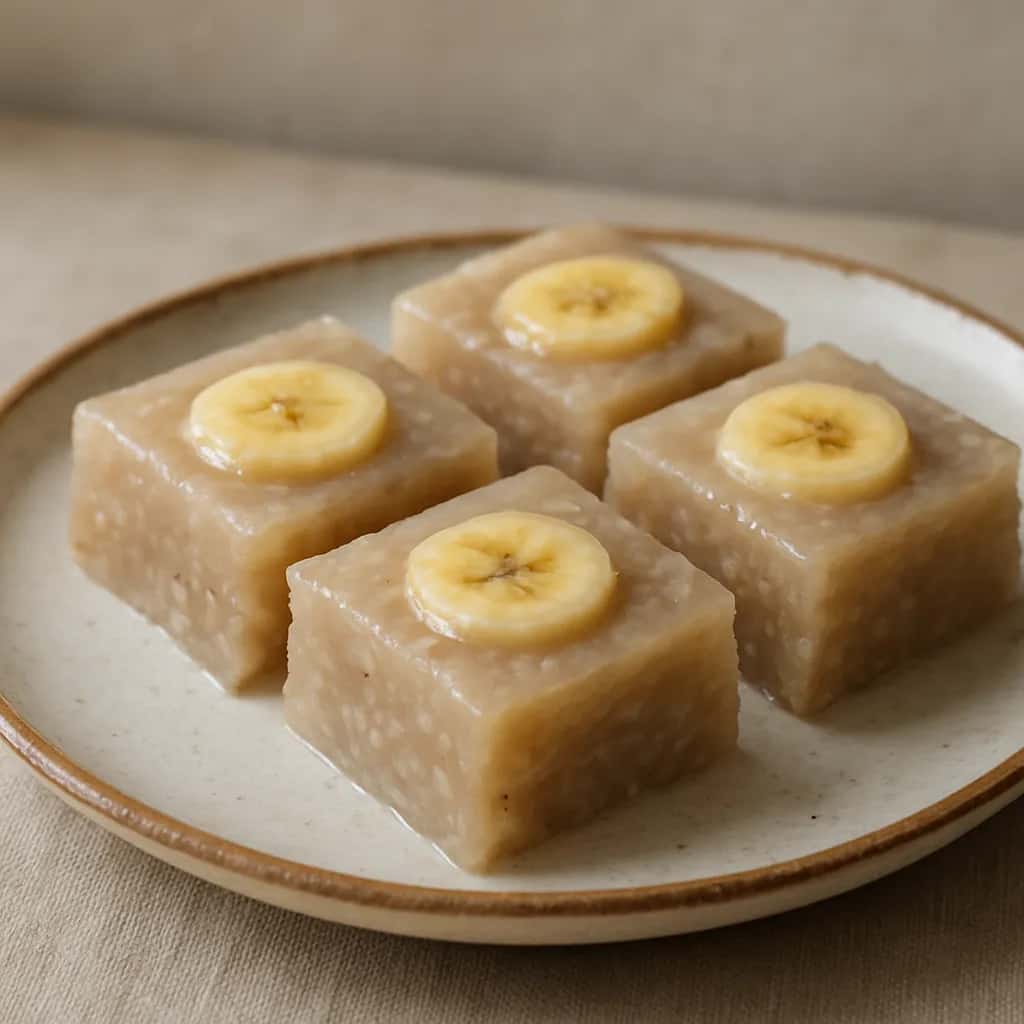
Thai Banana Cake (Kanom Gluay)
Kanom Gluay is a traditional Thai steamed banana cake that celebrates simplicity and the natural sweetness of ripe bananas. Unlike Western banana bread, this dessert offers a fudgy, tender texture reminiscent of a banana coconut fudge rather than a fluffy cake.
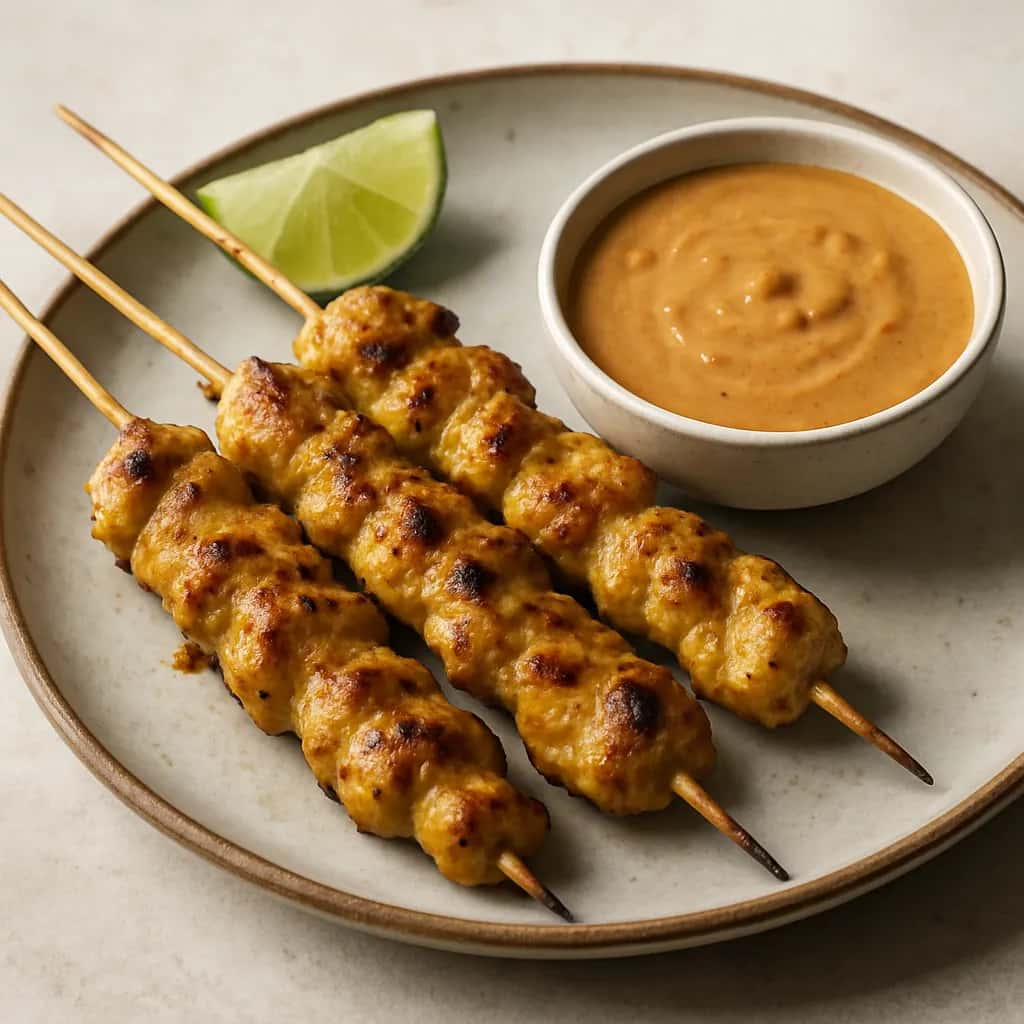
Thai Chicken Satay with Peanut Sauce
This dish reimagines classic Thai chicken satay by simmering tender chicken breast pieces directly in a rich, creamy peanut sauce. Instead of the traditional skewered grilling, gentle baking infuses flavors of garlic, ginger, soy, lime, and heat, simplifying the process while enhancing the taste.
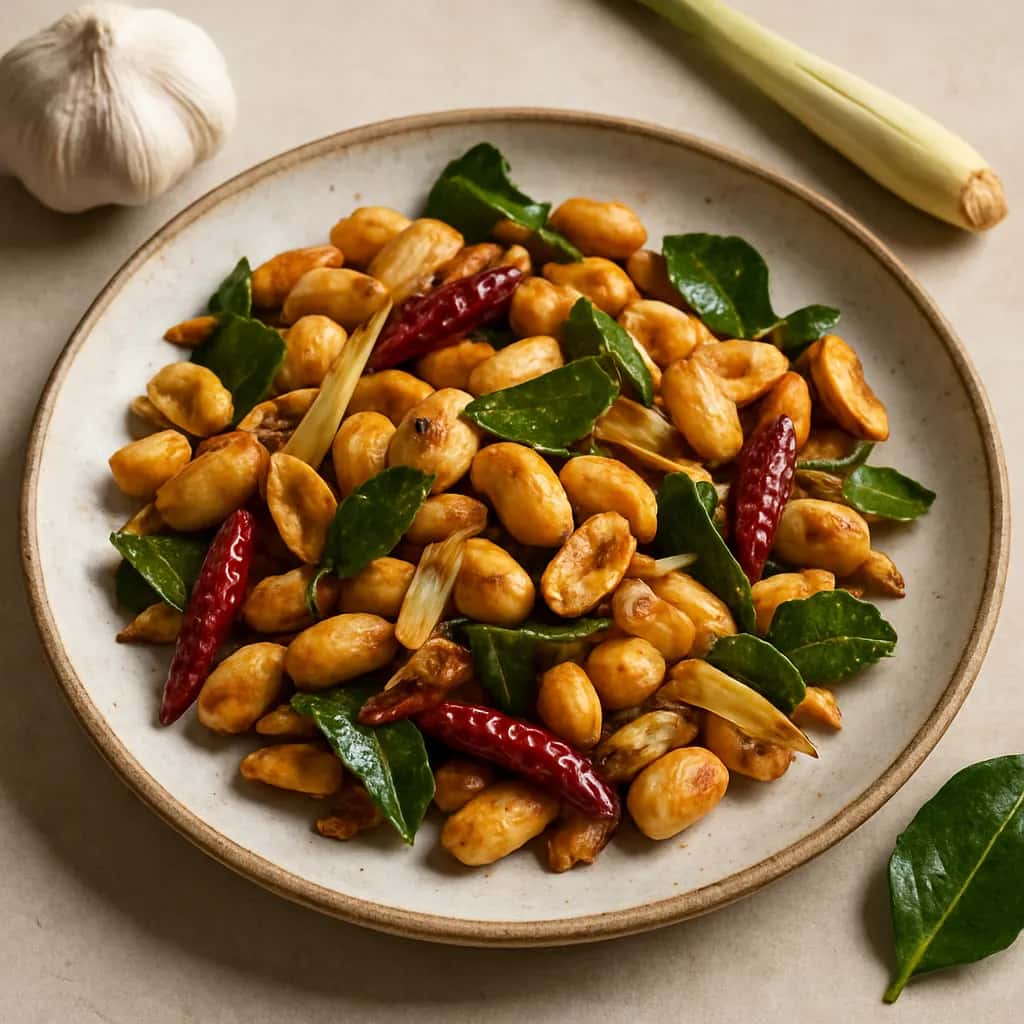
Thai Chili Lime Peanuts with Herbs
A flavorful Thai-inspired snack made from peanuts, spices, and herbs. Perfect for any occasion.
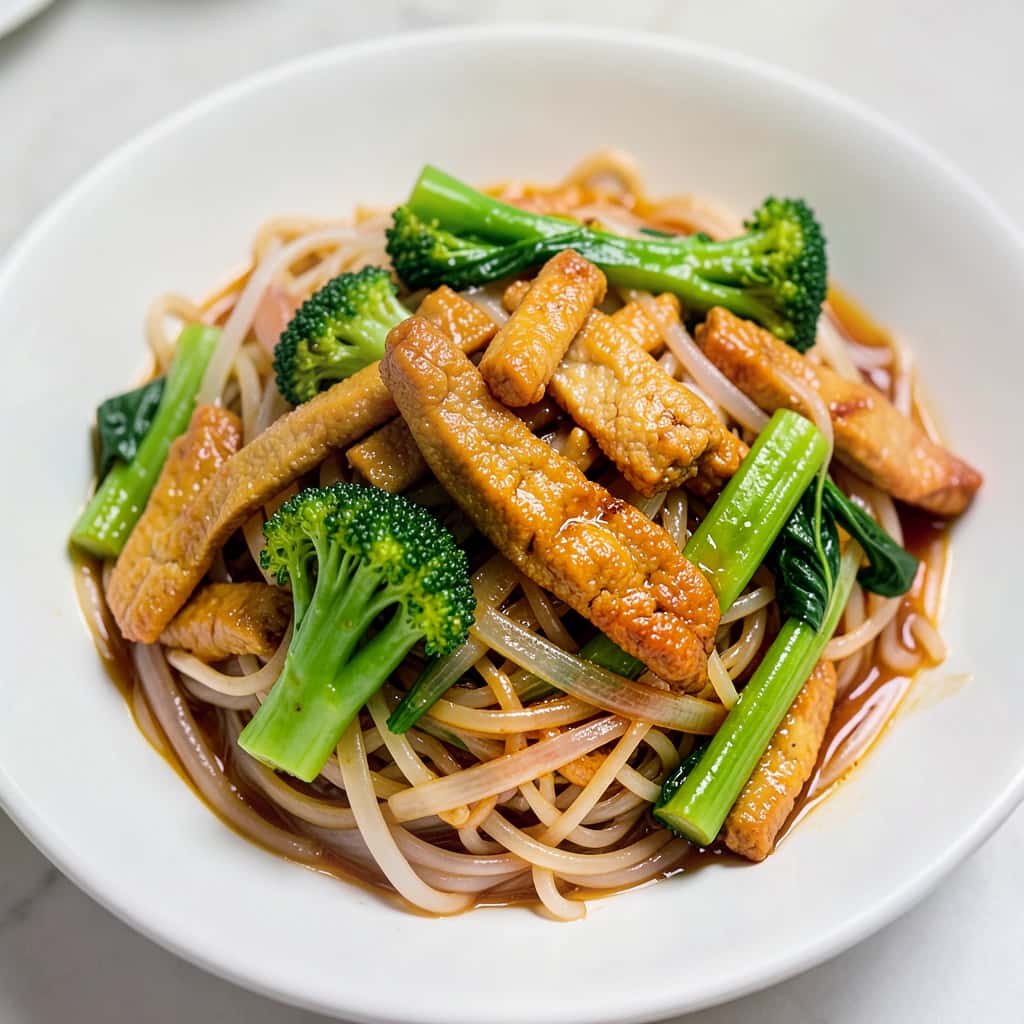
Thai Glass Noodle Stir Fry (Pad Woon Sen)
A big, family-size home-style Thai noodle stir fry using glass noodles. Classic Thai flavours with a touch of sweet and garlicky goodness.
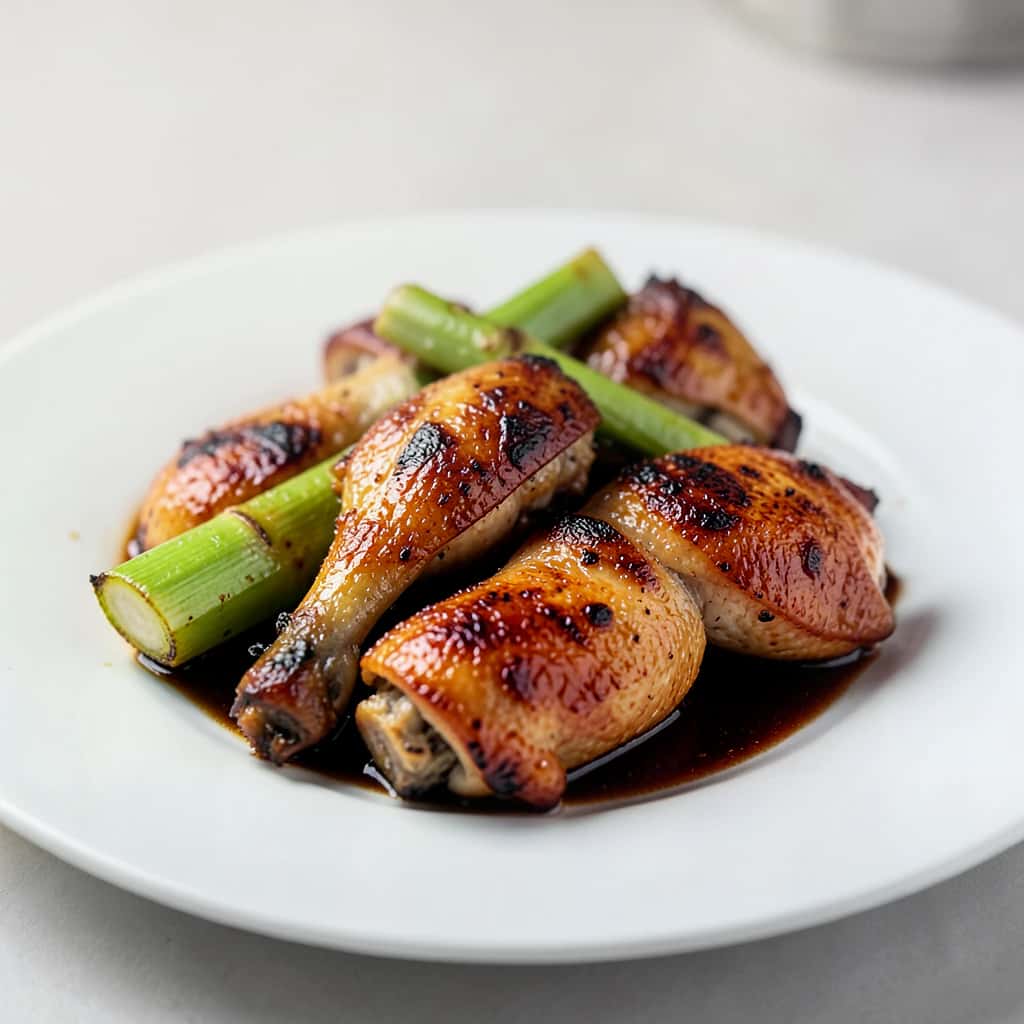
Thai Grilled Chicken (Gai Yang)
Recipe video above. This Thai Chicken recipe is an easy way to make Gai Yang at home, Thailand’s famous barbecue chicken. It uses a fragrant Thai marinade that delivers street-stall delicious – without pounding pastes, lighting coals or wrestling a whole chicken! Cook on the stove though it's especially great on the BBQ. A dipping sauce isn’t essential because the marinade already brings big flavor and keeps the chicken super juicy. But in Thailand it’s traditional, so why not? Spoon it over or dunk away!
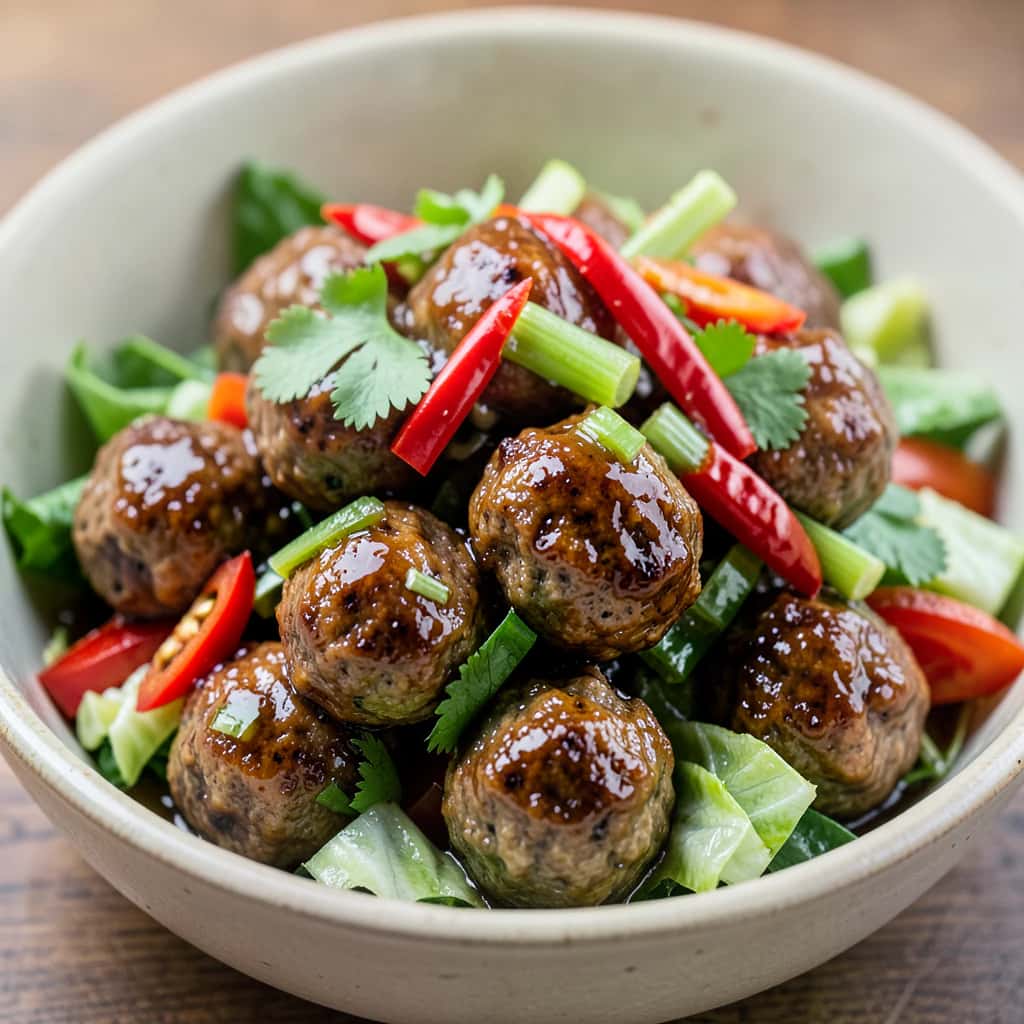
Thai Meatball Salad - Yum Look Chin
A vibrant and spicy Thai meatball salad (Yum Look Chin) featuring juicy meatballs tossed in a zesty dressing of lime, fish sauce, and chili.
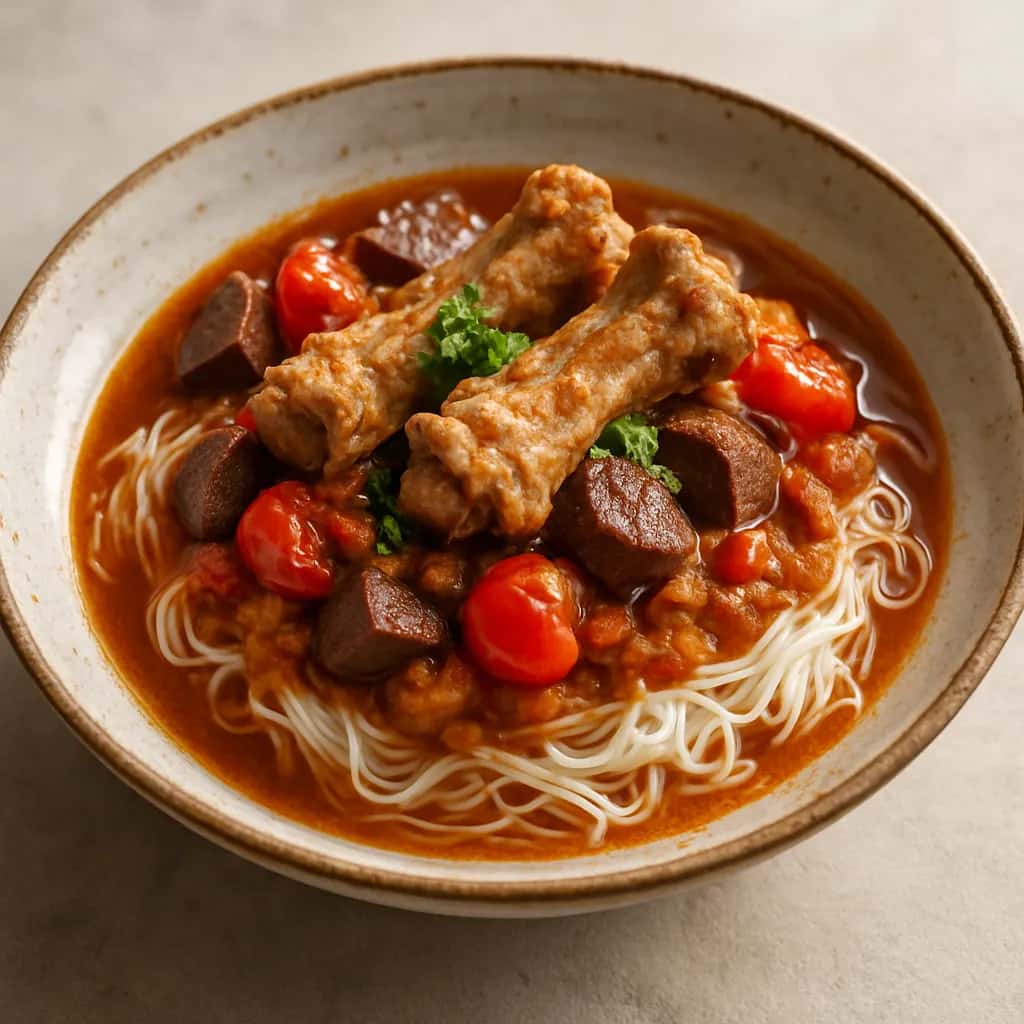
Thai Pork and Tomato Noodles (Kanom Jeen Nam Ngiew)
Kanom Jeen Nam Ngiew is a quietly revered comfort dish from northern Thailand, showcasing rice vermicelli bathed in a delicate yet flavorful pork and tomato curry broth. This dish embodies the harmony of fresh herbs and umami-rich ingredients, delivering a satisfying and nourishing experience.
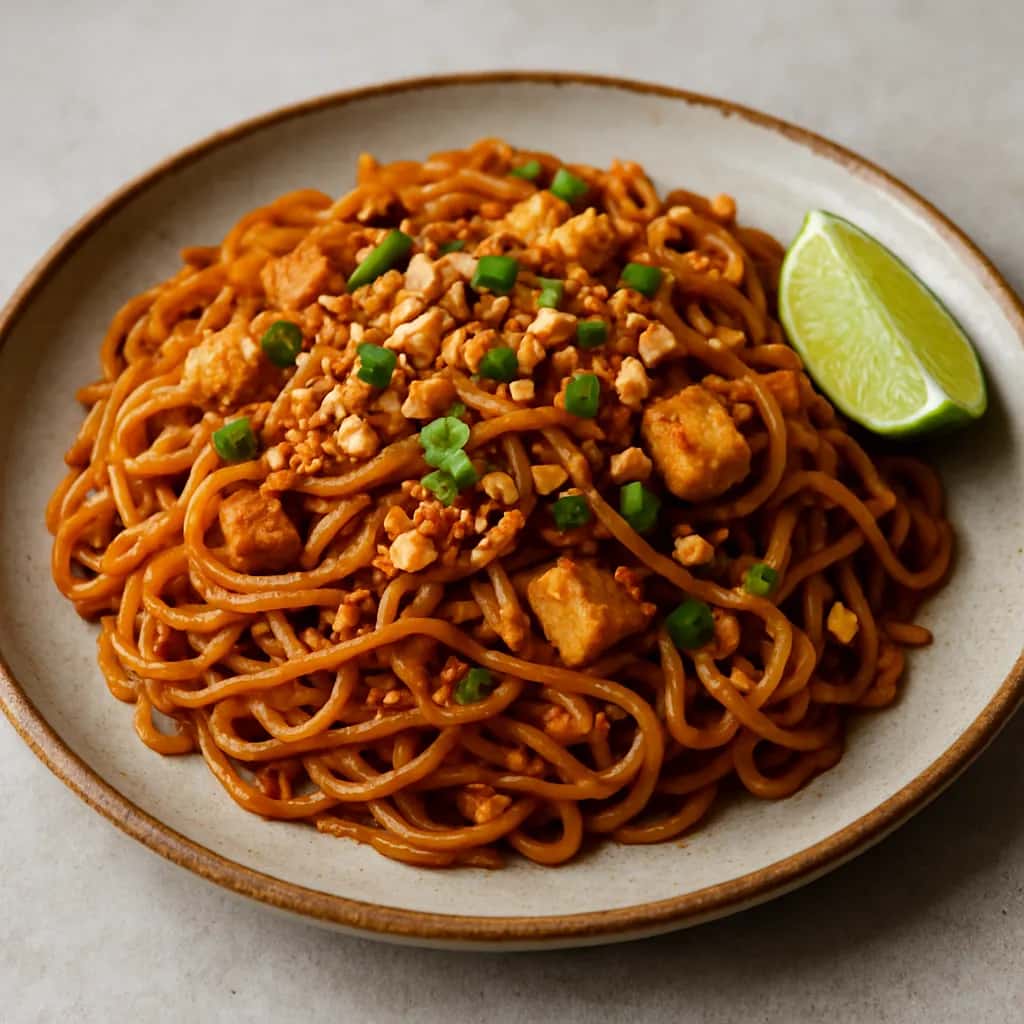
Vegan Pad Thai (Pad Mee Korat)
This vegan Pad Thai is inspired by the authentic Thai dish Pad Mee Korat, a beloved specialty from northeastern Thailand. It uses plant-based ingredients without fish sauce or eggs, embracing the iconic balance of sweet, salty, and sour flavors with fermented soybean paste and shiitake mushrooms.