Global CucinaGlobal Cucina
About
Global CucinaGlobal Cucina
HomeAbout
  1. Home
  2. Recipes
  3. Main Course
  4. Livornese Fish Stew
ItalianMedium

Livornese Fish Stew

AT

By

Ago Tanfossi

Chef and recipe curator at Global Cucina

Published on March 15, 2026

Available in

EnglishItalianoDeutschEspañolFrançaisRomână

You can change language anytime.

Livornese fish stew is a regional fish soup: discover the ingredients and preparation of this traditional recipe!

Livornese Fish Stew is an unparalleled testament to the respect for fresh ingredients and their natural harmony. This fish soup, rich with scorpionfish, octopus, squid, and mussels, demonstrates how simplicity can create a perfect balance of flavors and textures. Its preparation, which requires patience and attention to detail, makes every bite a tribute to local culinary tradition. It is a dish that not only satisfies but also tells the story of a region through its finest products.

Capolavoro Score 4.9/5 · 14 votes
Livornese Fish Stew

Ingredients

Ingredients

  • 1.8 lb Scorpionfish
  • 1.6 lb Monkfish
  • 1.4 lb Octopus
  • 15 oz Squid
  • 13.3 oz Norway lobsters
  • 10 oz Cuttlefish
  • 2.1 lb Mussels
  • 1 garlic
  • 1 yellow onion
  • 1 Celery
  • 1 Cayenne pepper
  • 6.7 oz whole tomatoes with juice
  • 3 1/2 tbsp oil
  • Salt
  • 8 1/4 cup Water
  • Scorpionfish trimmings
  • Norway lobster trimmings
  • Monkfish trimmings
  • 6.7 oz Bread

for initial mix

  • 3 1/2 fl oz White Wine
  • 5 Parsley
  • black pepper

for later step

  • 5 black pepper
  • 1 Parsley
  • 5 1/2 tbsp White Wine

Instructions

  1. 1

    To prepare the Livornese fish stew, start by cleaning the fish and shellfish: mussels, octopus, squid, cuttlefish, monkfish, scorpionfish, and Norway lobsters. Clean and cook the mussels. After washing them under running water, remove all the barnacles and, with a firm motion, detach the byssus that comes out of the shells. Then, always under fresh running water, rub the mussels vigorously with a steel wool pad or a stiff brush. Place the cleaned mussels in a saucepan, cover with a lid, and cook over high heat for 2 minutes, or until they open. At this point, you can shuck the shellfish, setting aside a few whole mussels. Now, clean the octopus. Clean it according to the instructions, then coarsely chop the tentacles.

  2. 2

    To clean the cuttlefish, gently detach the head and tentacles from the mantle, wash them well, and remove the cartilage pen and ink sac. Chop the tentacles and heads. Proceed with the squid. Once you have removed the head, look for the transparent cartilage pen inside the mantle and carefully remove it, then open the mantles like a book: remove the outer layer, cut them into strips, and reduce them into strips.

  3. 3

    Continue with the monkfish: remove the outer skin, divide the flesh following the bone, then fillet it, also setting aside the trimmings.

  4. 4

    It is now necessary to scale the scorpionfish, remove the tail, and make an incision along the back, then remove the fins and fillet it, setting aside the trimmings.

  5. 5

    Remove the bones from the fillets, using tweezers. Finally, clean the Norway lobsters. With scissors, remove the tail, legs, and shell, leaving the head intact and keeping all the trimmings. After cleaning the onion, chop it and the celery, then mince the garlic clove. In a pot over medium heat, place all the trimmings: the monkfish bone, scorpionfish tail and fins, Norway lobster tail, legs, and shell.

  6. 6

    Add the chopped onion, celery, and garlic, then add the whole black peppercorns, and finally, deglaze with white wine.

  7. 7

    Add the water and bring to a boil, then reduce the heat and continue cooking for 40-50 minutes: if necessary, remove any foam on the surface with a skimmer. Once ready, drain and filter the broth obtained, setting it aside. Continue with the fish stew. Finely chop the onion, garlic, and chili pepper, then sauté them in a large saucepan with olive oil.

  8. 8

    Add the chopped octopus and cook for 10 minutes, then add the squid and cuttlefish, continuing to cook for another 5 minutes. Deglaze with white wine.

  9. 9

    Season with salt and pepper, then add the previously crushed peeled tomatoes and 250 ml of the broth obtained with the fish trimmings.

  10. 10

    Cover the saucepan with a lid and let it cook over low heat for 1 hour and 10 minutes. When the fish is almost cooked, gently add the monkfish and scorpionfish fillets, then add the Norway lobsters. Continue cooking for 10 minutes, adding another 500 ml and keeping the lid on the saucepan. After this time, add the shucked and whole mussels and cook for the last 10 minutes.

  11. 11

    Meanwhile, slice the bread and toast it for a few minutes in the oven on the grill setting, for 5 minutes. When it is ready, rub a clove of garlic on each slice 42, then add the chopped parsley to the fish stew. The Livornese fish stew is ready 43, to be served hot with the toasted bread.

  12. 12

    Aggiustate di sale e pepe, quindi aggiungete i pelati schiacciati in precedenza e 250 ml del brodo ottenuto con gli scarti di pesce.

  13. 13

    Coprite il tegame con un coperchio e lasciate cuocere a fuoco basso per 1 ora e 10 minuti. Quando il pesce è quasi cotto aggiungete delicatamente i filetti di rana pescatrice e di scorfano, quindi unitevi gli scampi. Proseguite la cottura per 10 minuti aggiungendo altri 500 ml e tenendo il coperchio sul tegame. Trascorso questo tempo aggiungete le cozze sgusciate e quelle intere e cuocete per gli ultimi 10 minuti).

  14. 14

    Nel frattempo affettate il pane e fatelo tostare qualche minuto in forno modalità grill, per 5 minuti. Quando sarà pronto strofinate su ogni fetta uno spicchio di aglio 42, infine aggiungete il prezzemolo tritato al cacciucco. Il cacciucco alla livornese è pronto 43, da servire caldo assieme al pane tostato.

Ago's Notes

  • Adjust the salt according to the salt content of the canned tomatoes.

May the flavors blend in harmony and the scent of the sea fill your kitchen - this dish is a tribute to the simplicity and depth of the ingredients, made with respect and passion. Enjoy!

Ago Tanfossi signatureAgo Tanfossi signature
Main Course

How much of a capolavoro is this?

Share your opinion. Ago will say it the Italian way.

Pick a hand and tell Ago what you think.

Related Recipes
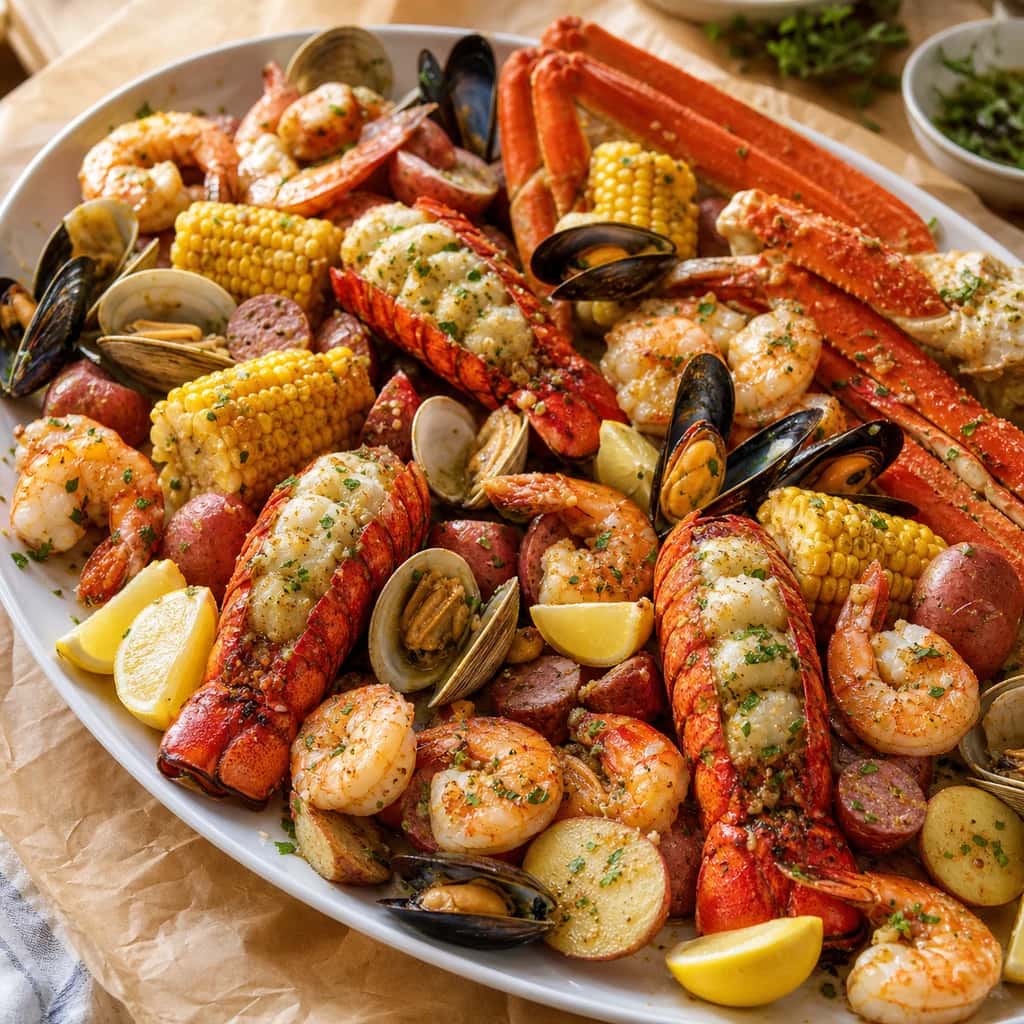
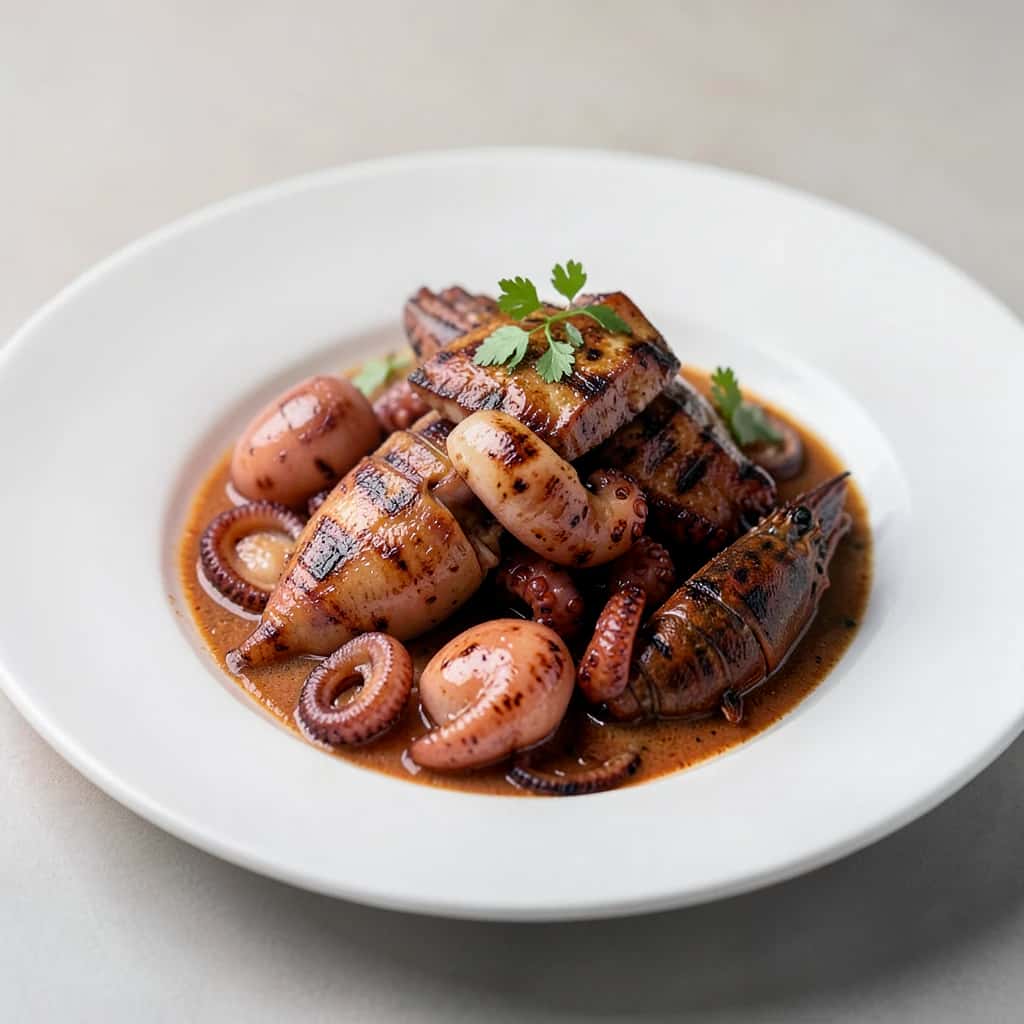
Seafood Risotto
Italian

Seafood Risotto

Seafood risotto is a classic Italian dish, perfect for special occasions and enjoyed year-round!

Medium
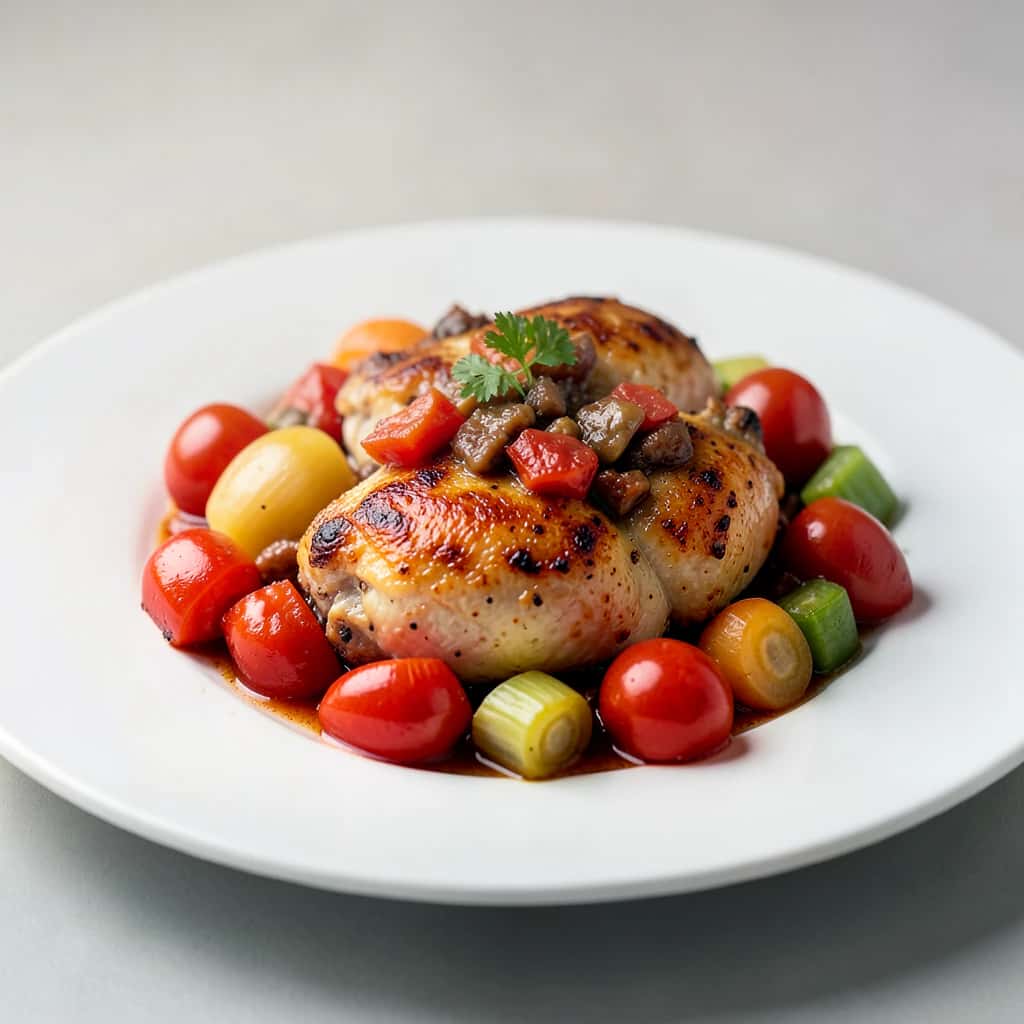
Chicken Cacciatora
Italian

Chicken Cacciatora

Chicken Cacciatora is a typical Tuscan meat main course. A simple and delicious recipe that the whole family will love!

Medium
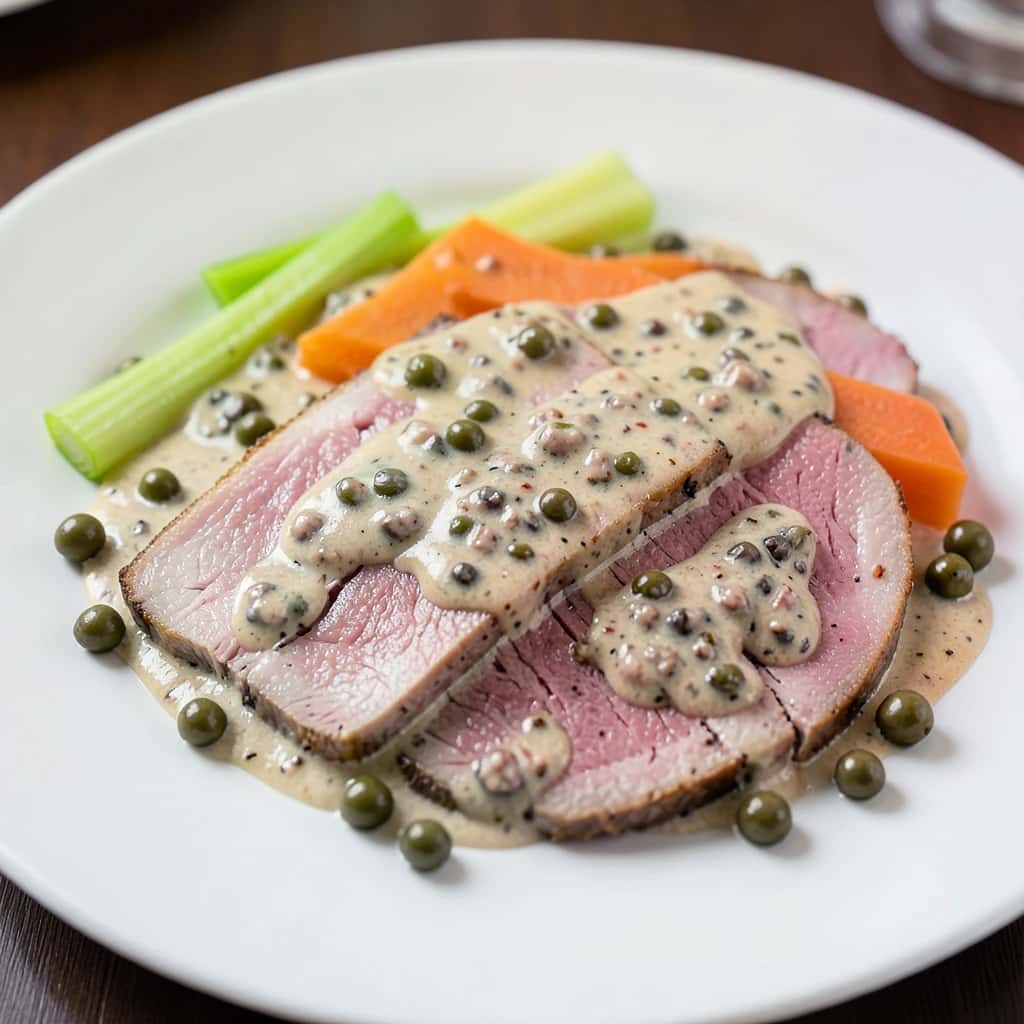
Vitello Tonnato
Italian

Vitello Tonnato

Vitello tonnato is a typical recipe from Piedmont, a very simple appetizer to prepare that delights everyone with its deliciousness!

Medium

Browse by Dish Type

Main Course

227 recipes

The main course, or secondo, holds a central place in the structure of an Italian meal.

Pasta

74 recipes

Pasta is a fundamental category within Italian cuisine, serving as the primo piatto or first course in a traditional meal structure.

Dessert

39 recipes

Dessert, or dolce in Italian, occupies a distinct and deliberate place within the traditional Italian meal.

Soup

35 recipes

Soup, as a category within culinary taxonomy, represents a fundamental component of the Italian dining experience.

Salad

15 recipes

The category of salad occupies a distinct and purposeful role within the Italian meal framework.

Browse by Cuisine

Italian212International118American29Thai12
Global Cucina

Cooking the world, the Italian way

AboutContactPrivacyCookie settings

© 2026 Global Cucina by Ago Tanfossi. All rights reserved.