
Shortcrust Pastry
Learn how to make the perfect shortcrust pastry for pies, biscuits, and tarts. A basic yet essential preparation in baking!
Master the art of making a versatile shortcrust pastry ideal for various baked goods like pies, biscuits, and tarts.

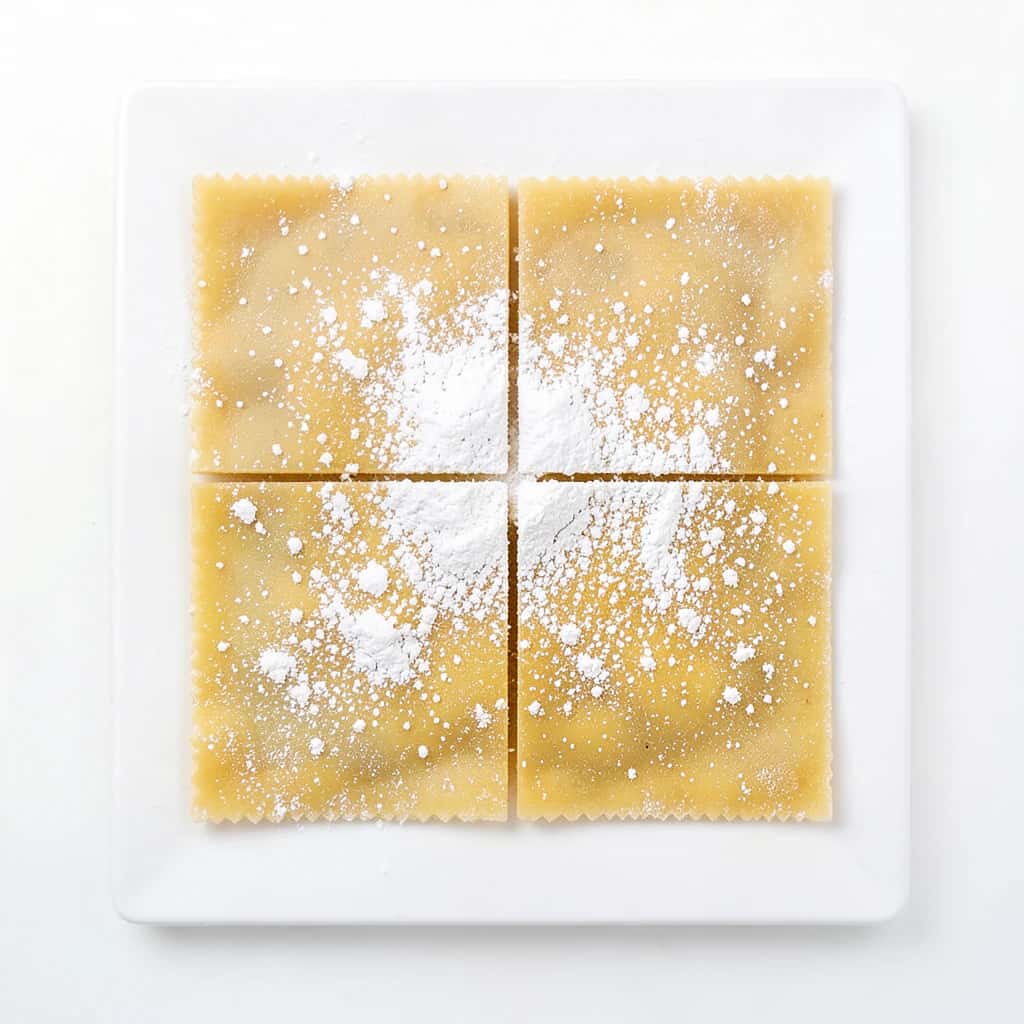
Instructions
- 1
To prepare shortcrust pastry using the classic method, start by letting soft butter sit at room temperature until it’s pliable. Cut the butter into cubes and mix with icing sugar until creamy. Add eggs and work well.
- 2
Mix in flour quickly to form a dough. Knead briefly on a cold surface to avoid gluten formation. Wrap the dough in plastic wrap or use baking paper for easier rolling, then chill before using.
- 3
For the sablé method, keep butter very cold. Mix flour with cubed cold butter and knead mainly with fingertips to create a crumbly mixture. Add eggs, mix well, and work briefly on a surface until homogeneous. Wrap and chill as needed before use.
Ago's Notes
- Adjust the salt according to the salt content of the preserves.
When the dough comes together just right, each ingredient tells its story, creating a delightful treat reminiscent of home. Enjoy every bite; this recipe captures the essence of traditional pastry-making with simplicity and precision, much like Italian tradition but adapted to local flavors.


How much of a capolavoro is this?
Share your opinion. Ago will say it the Italian way.
Pick a hand and tell Ago what you think.
Related Recipes

Chocolate Lava Cake with Molten Heart
The chocolate lava cake with a molten heart is an easy and quick dessert that hides a soft, warm, and comforting center... discover the ingredients and recipe!
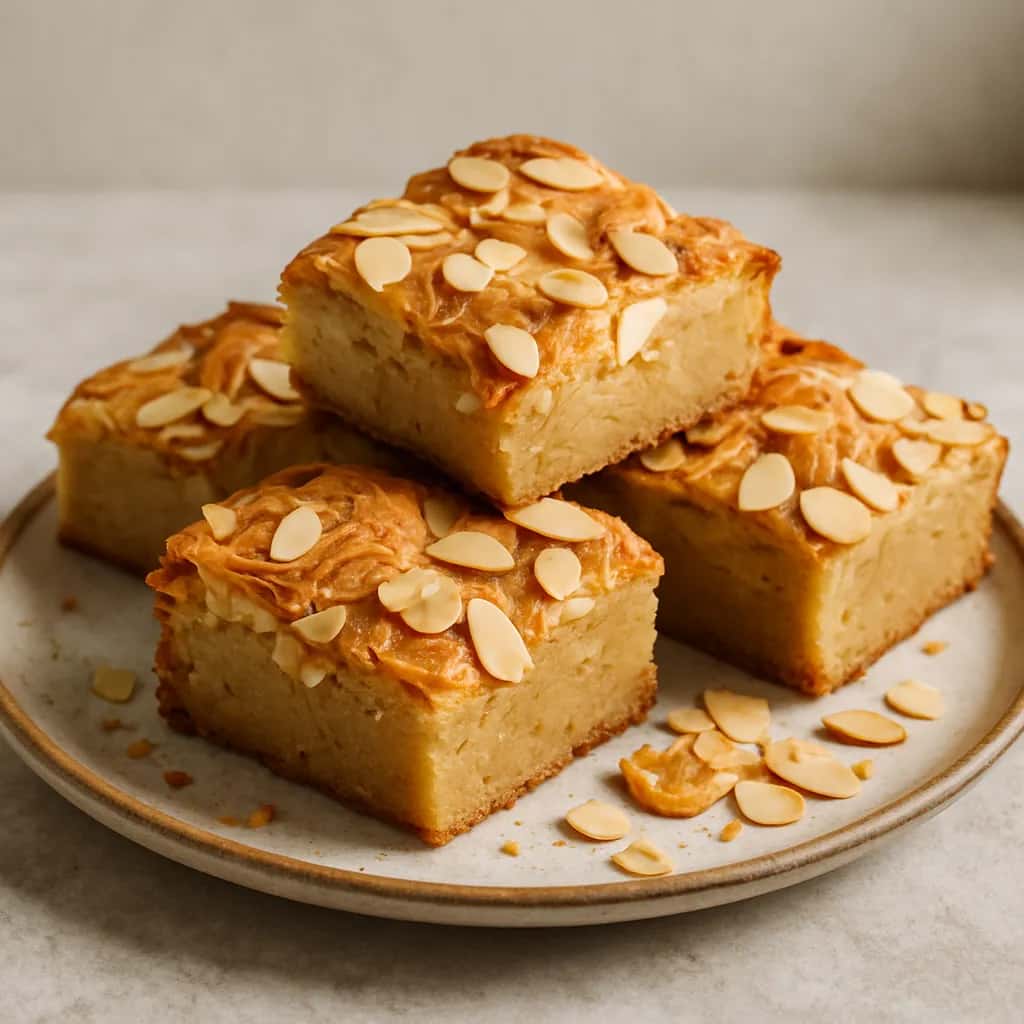
Almond Croissant Blondies
These Almond Croissant Blondies combine the simplicity and elegance of Italian baking with a moist blondie base and a delicate almond filling.
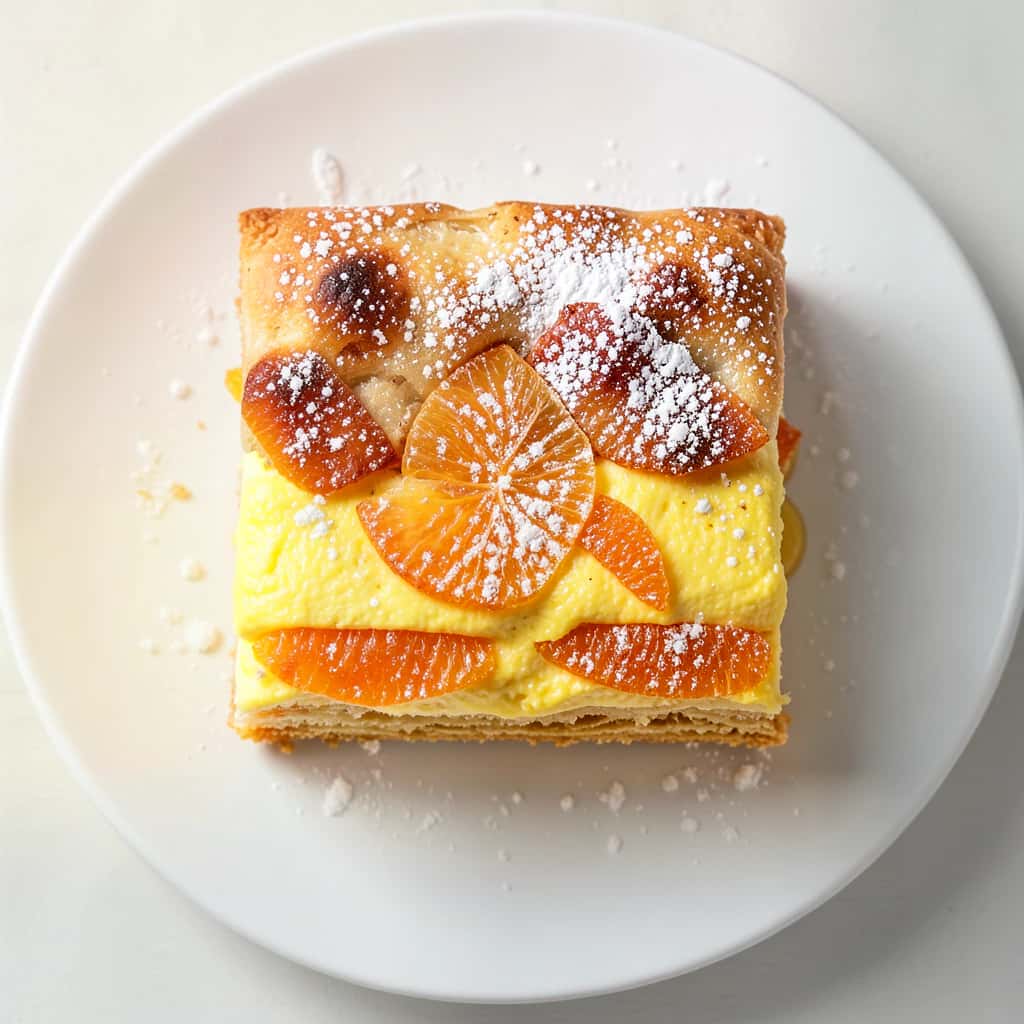
Neapolitan Pastiera
Pastiera is a traditional Neapolitan Easter cake made with shortcrust pastry and a filling of cooked wheat, ricotta cheese, and candied fruit. It's so delicious that it can be enjoyed all year round!