
Genoese Focaccia
Genoese focaccia is a typical specialty of Ligurian cuisine, known for its soft yet structured texture and slow fermentation process that enhances natural flavors.
In the art of simplicity and precision lies the true essence of Genoese focaccia. The combination of 00 flour and Manitoba creates a perfect structure, soft but firm. Its secret lies in slow fermentation, which enhances natural flavors making each bite light yet deep, as a true Ligurian dish should be.

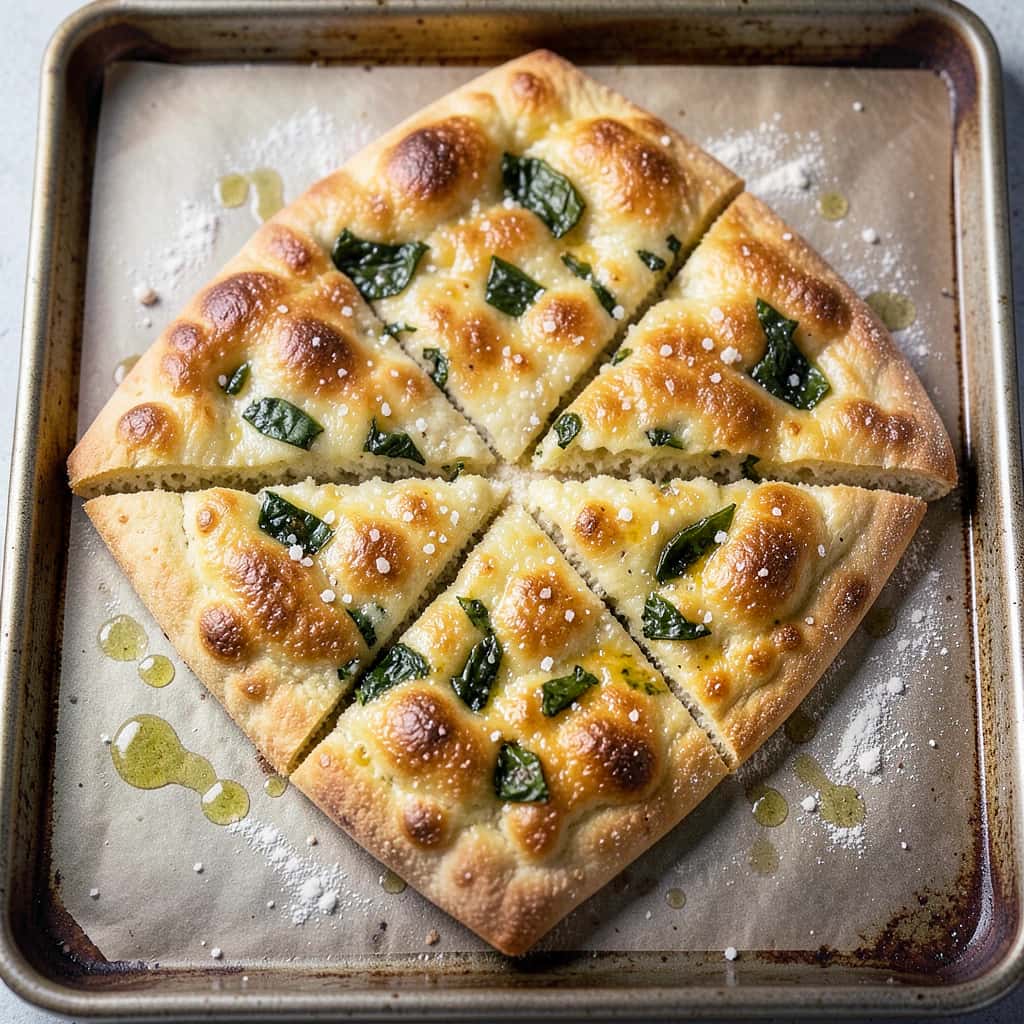
Instructions
- 1
To prepare Genoese focaccia, pour Manitoba flour and 00 flour into a bowl. Mix with a wooden spoon, then make a small hole in the center and pour in almost all of the water.
- 2
Mix again to absorb the water, then add malt and salt together.
- 3
Mix, then add remaining water and continue working until you get a smooth dough. Once salt is incorporated, add crumbled fresh yeast.
- 4
Mix a few more times; the dough is ready for transfer to work surface and knead energetically by hand. If some flour has not been absorbed, it's okay as it will be absorbed during kneading. After 13-15 minutes, cover and rest briefly.
- 5
Roll dough on surface until smooth. Divide into two 500 g pieces, shape into rectangles, fold in thirds and roll up. Cover and let rest for about 30 minutes.
- 6
Grease a baking sheet with oil (15 g), place dough, flatten and spread using fingers and rolling pin to cover 70-80% of surface. Let it rest for another 20-30 minutes. Repeat operation for second piece of dough.
- 7
Sprinkle focaccia with flour, press firmly with fingertips to ensure even distribution. Cover and let rest for an hour.
- 8
Prepare brine by mixing water and salt until dissolved. Uncover focaccia, make holes using three fingers (index, middle, ring) pressing firmly towards edges. Rotate baking sheet to finish making holes along the edge.
- 9
Pour 30 g of oil and 90 g of brine into center of each focaccia, spread gently with hand. Let rise for another 40-45 minutes without covering. Bake in preheated oven at 230°C for 15 minutes or until golden brown. Remove from oven, let cool briefly before serving.
Ago's Notes
- Adjust the salt according to the salt content of any canned ingredients.
May the respect for ingredients guide you to perfection with this Genoese focaccia. The balance between yeast and oil creates subtle flavors that make it a delightful contrast to more robust Italian dishes. Enjoy!


How much of a capolavoro is this?
Share your opinion. Ago will say it the Italian way.
Pick a hand and tell Ago what you think.
Related Recipes
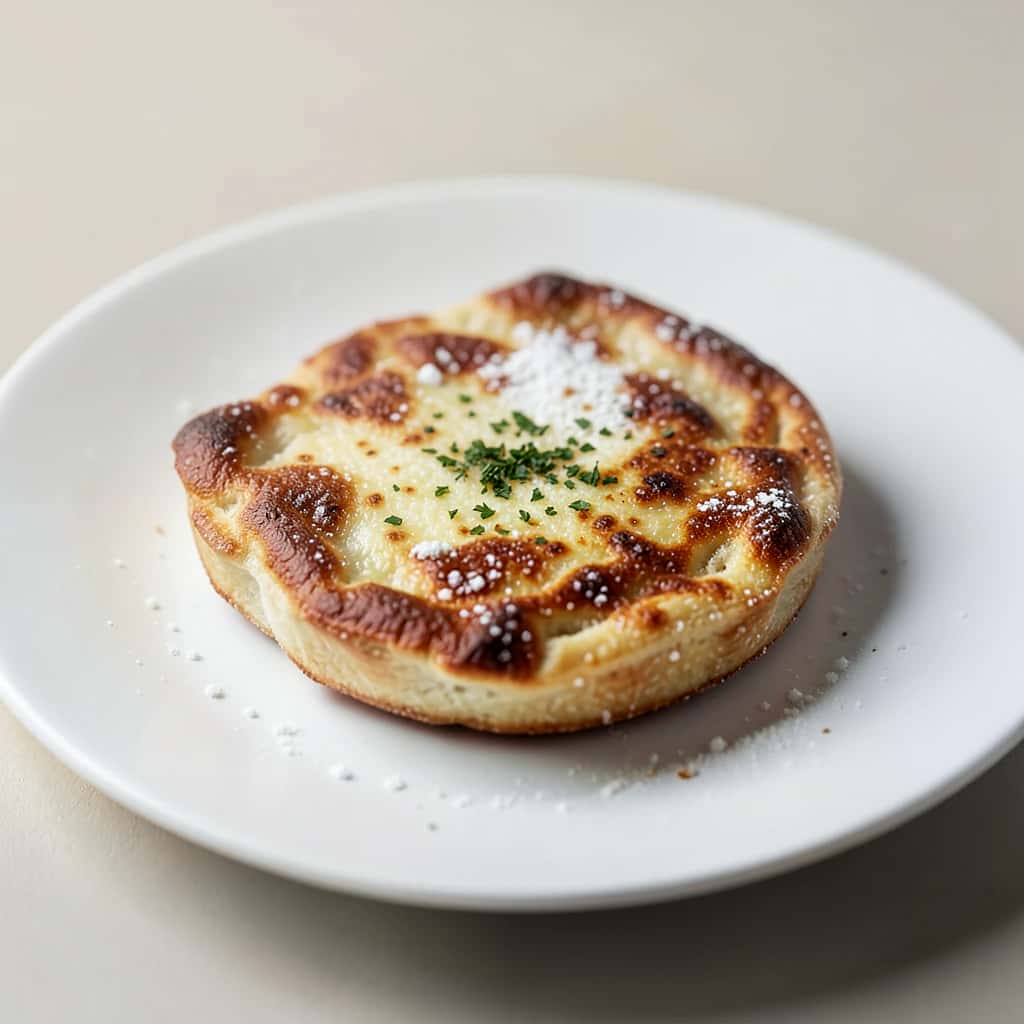
Schiacciata
The Tuscan oil-infused schiacciata is a typical street food focaccia, but now you can recreate it at home!
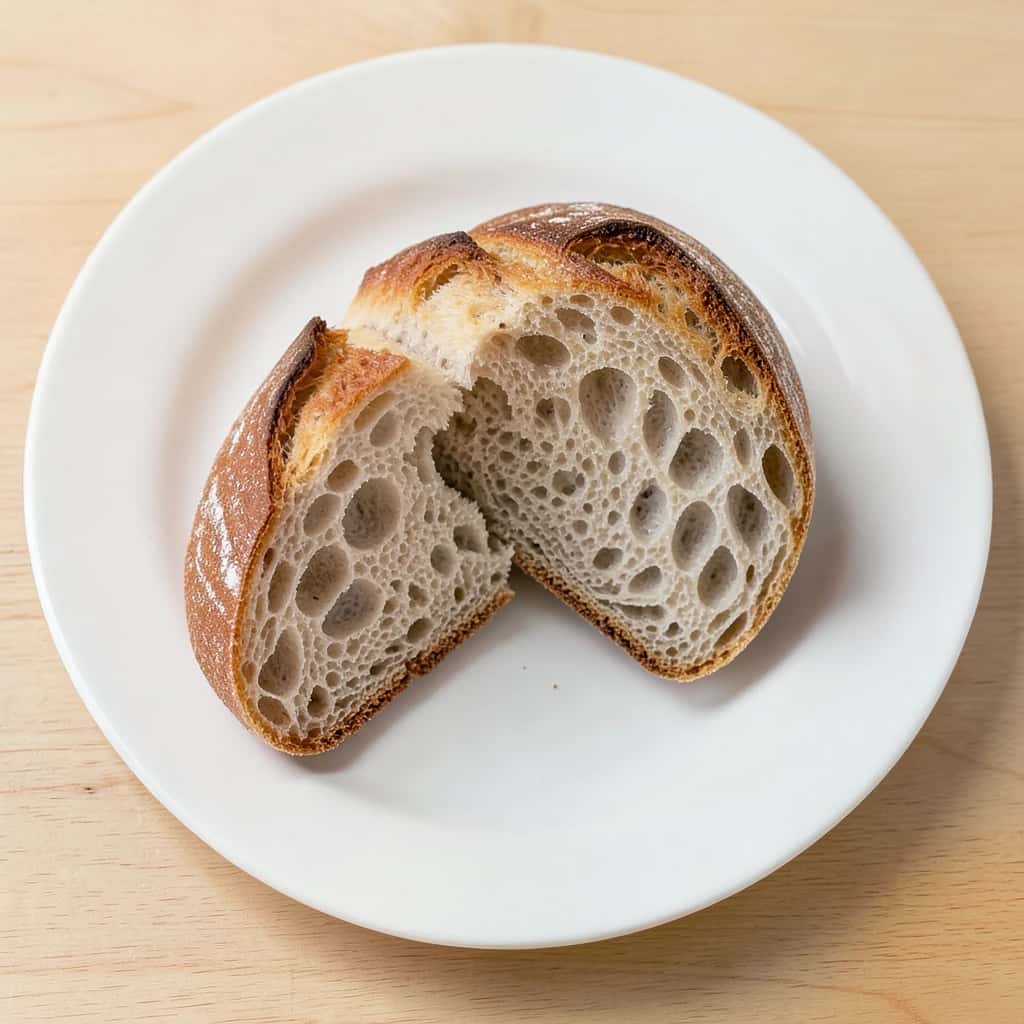
Ciabatta - A Simple Yet Flavorful Bread
A light yet flavorful bread from Veneto, ciabatta develops a unique texture through its highly hydrated dough.
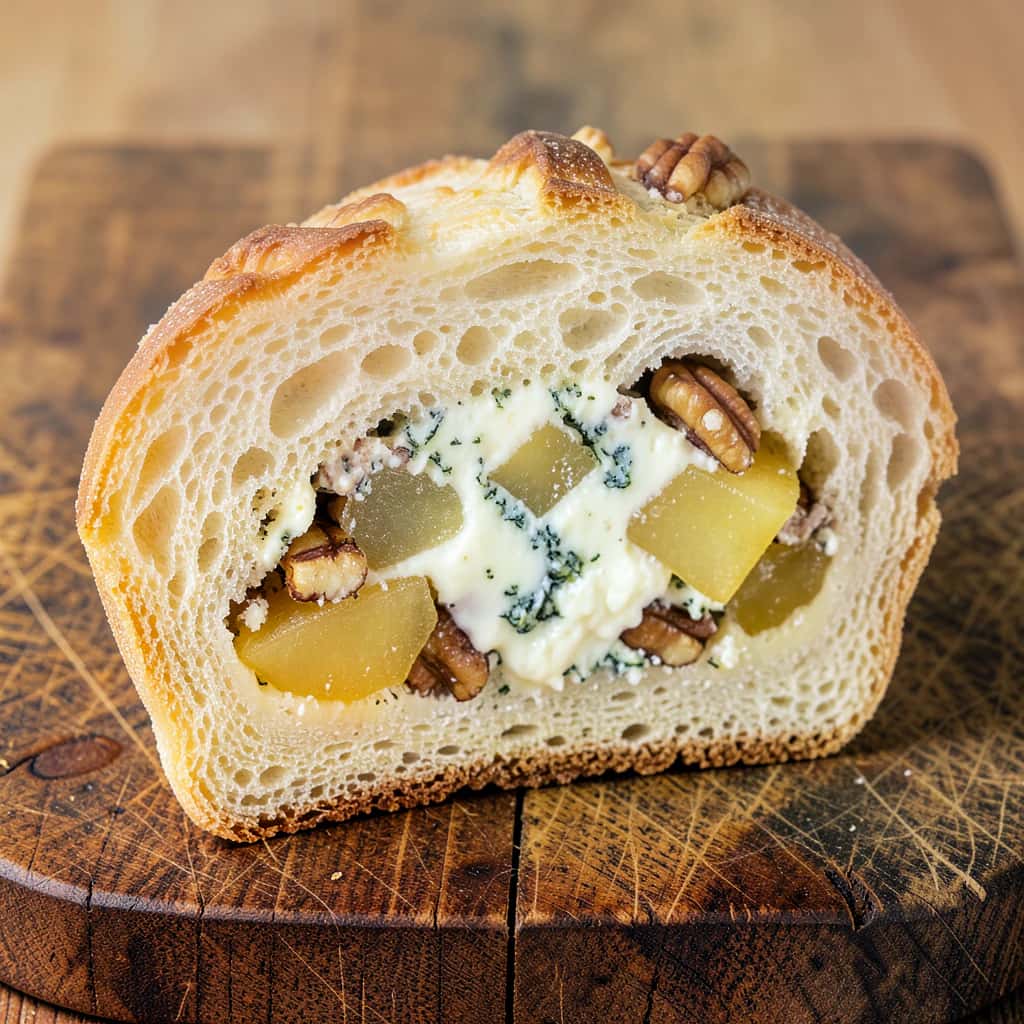
Pear and Gorgonzola Focaccia
The pear and gorgonzola focaccia is a bold yet irresistible combination of sweetness and intense flavor, perfect for surprising guests or enjoying at home.