
Ciabatta - A Simple Yet Flavorful Bread
A light yet flavorful bread from Veneto, ciabatta develops a unique texture through its highly hydrated dough.
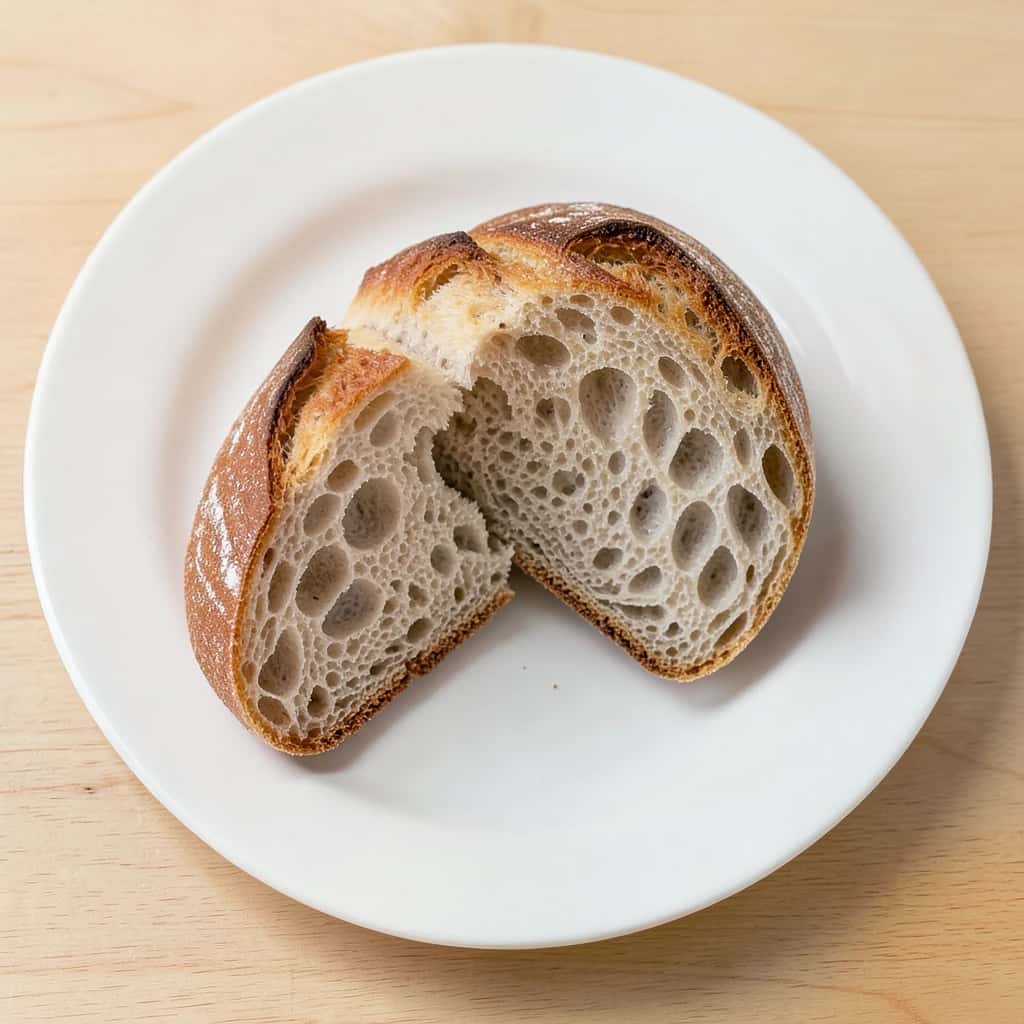
The balanced combination of water and flour in ciabatta creates a light yet flavorful loaf when executed correctly. The key to success lies in handling a highly hydrated dough with care, ensuring a perfect crumb structure without overpowering the natural taste.

Instructions
- 1
To prepare the ciabatta, start by making the poolish, a very hydrated pre-ferment: dissolve the dry brewer's yeast in the water (alternatively, use 6 g of fresh brewer's yeast); in a bowl, mix the two sifted flours and the Manitoba flour, then combine everything by pouring the liquid slowly over the flours.
- 2
Mix well with a wooden spoon until you obtain a smooth, homogeneous, and very soft dough. Cover the dough with plastic wrap and let it rise for about 3 hours at room temperature. After three hours, the poolish will be more puffed up, full of bubbles, and slightly darker in color.
- 3
You can now proceed with the second dough: dissolve the dry brewer's yeast (alternatively, use 9 g of fresh brewer's yeast) and the malt (or sugar) in the water (7-8 minutes).
- 4
While the stand mixer is running at medium speed, add the liquid and the flours alternately (10-12 times). At that point, remove it and transfer it to a bowl (or leave it directly in the mixer bowl), cover it with plastic wrap, and let it rest for 1 hour at room temperature, preferably between 23-25 degrees. After this time, turn the dough out onto a work surface dusted with plenty of semolina flour. Also dust the surface and continue by performing the folds that will be needed for the proofing: bring the dough forward, then fold the bottom part over the top and then fold it in from one side and the other.
- 5
Now take one piece of dough at a time, turn it over and transfer it immediately onto a baking sheet already heated in the oven, lined with parchment paper. Gently stretch the dough, being careful not to let the gases escape.
- 6
Proceed, practicing the folds that will be needed for the proofing: bring the dough forward, then fold the bottom part over the top and then fold it in from one side and the other. Flatten slightly the panetto and divide it into about 10 pieces (each piece weighing approximately 150-160 g).
- 7
Let the panetti rise on a well-infarinated surface, placing them with the cut facing upwards. Sprinkle with semolina flour, cover with plastic wrap to prevent the surface from drying out and let them rest for at least 1 hour (1 hour and 30 minutes) in a warm environment (around 27 degrees). After this time, the panetti will have doubled in volume.
- 8
Now take one panetto at a time, flip it over and transfer it immediately onto a preheated baking sheet lined with parchment paper. Gently stretch the panetto, being careful not to let the gases escape.
- 9
Bake in an oven preheated statically to 240-250°C (ventilated: 220-230°C): before closing the oven, spray 5-6 times with a water vaporizer to create a warm and humid environment that will help develop the crumb without forming the outer crust immediately. The cooking process is delicate: for the first 8 minutes, bake at 240-250°C. After 8 minutes, reduce the temperature to 200°C (ventilated: 180°C) and continue baking for another 8 minutes. For the final 3-4 minutes, keep the oven slightly open with a wooden spoon inserted in the opening to allow air to pass through and excess steam to escape, which will help achieve a crispy crust. Allow your ciabatta to cool before enjoying!
- 10
May your bread be born from respect for its ingredients, revealing a delicate texture that is a true testament to Italian craftsmanship and tradition.
Ago's Notes
- Adjust the salt according to the salt content of the preserves.
May your ciabatta reflect the simplicity and skill of Italian craftsmanship, offering a delicate texture that respects its ingredients. This bread, like traditional ciabatta, highlights the perfect balance between softness and structure in every bite.


How much of a capolavoro is this?
Share your opinion. Ago will say it the Italian way.
Pick a hand and tell Ago what you think.
Related Recipes
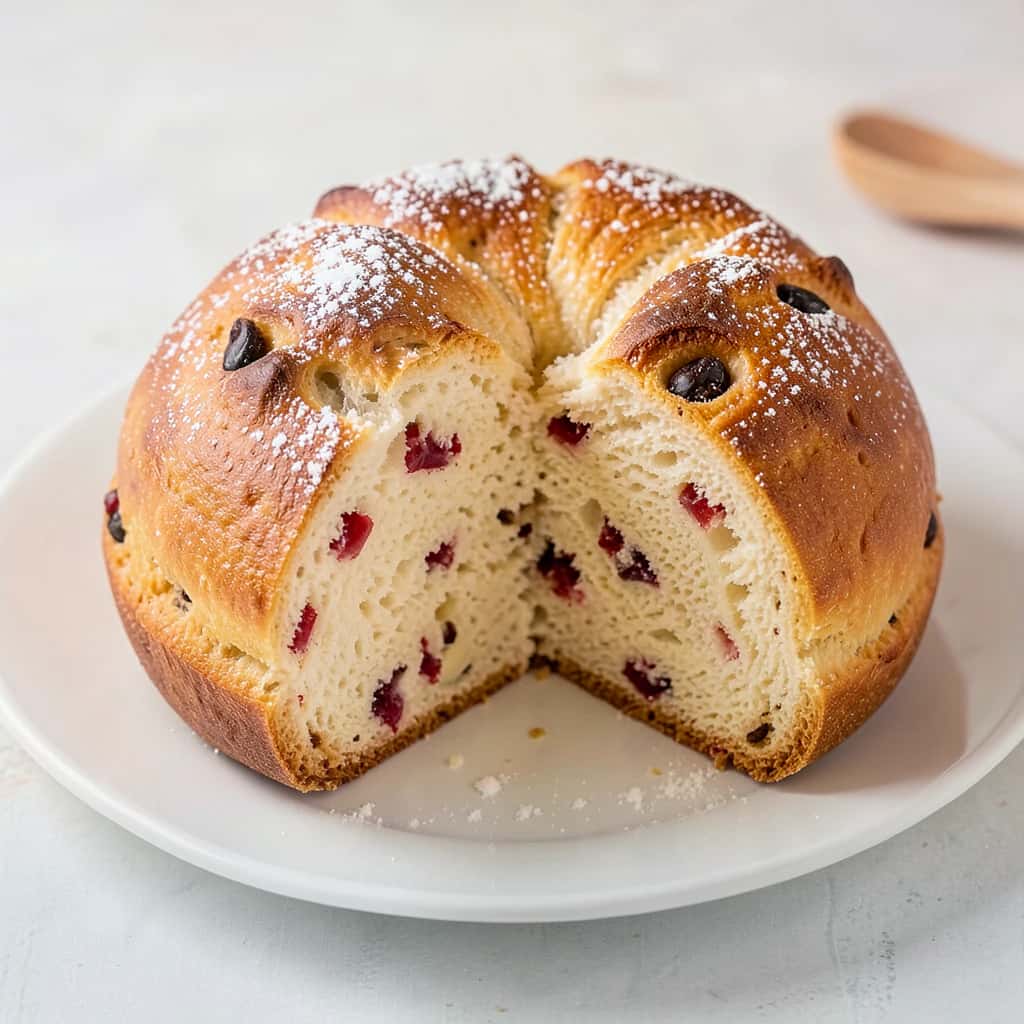
Panettone: Homemade Italian Christmas Bread
Make a traditional, soft, and fragrant panettone with a slow dough for an authentic Christmas dessert.
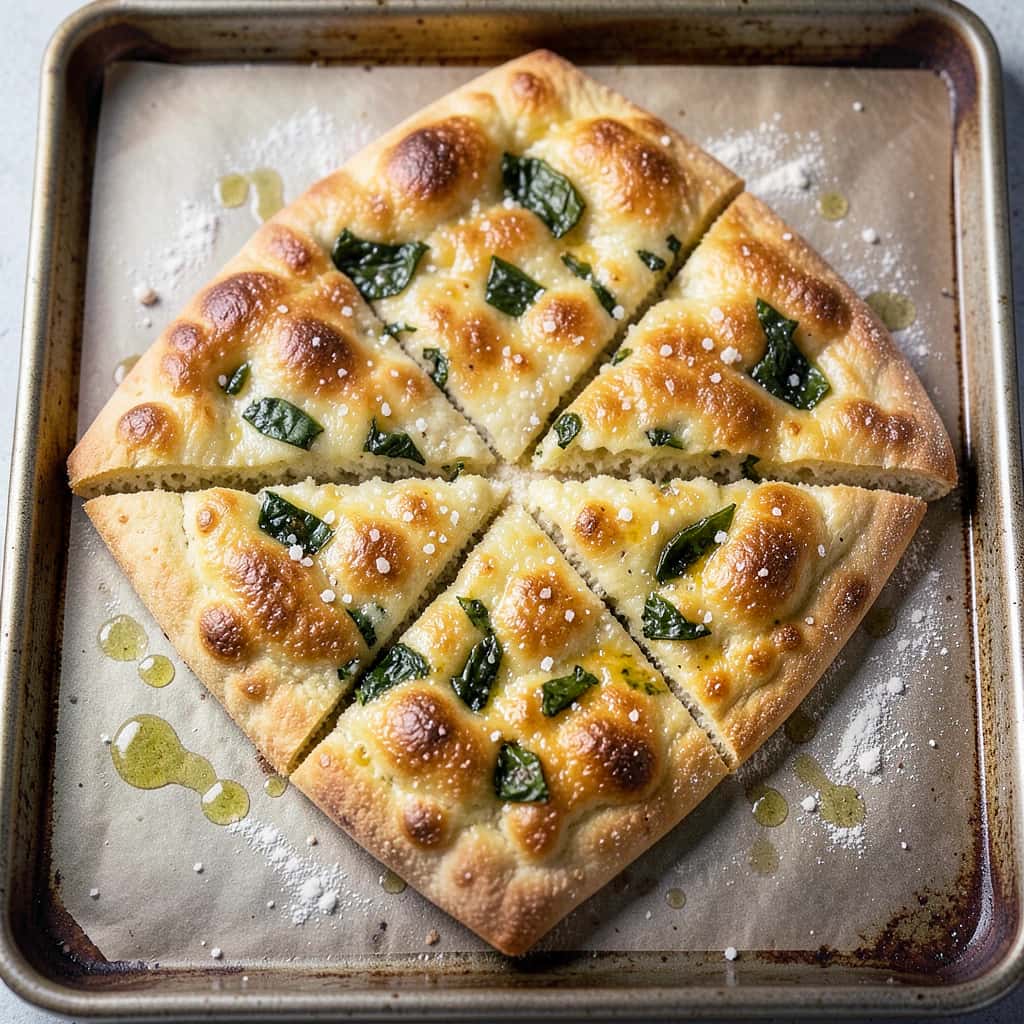
Genoese Focaccia
Genoese focaccia is a typical specialty of Ligurian cuisine, known for its soft yet structured texture and slow fermentation process that enhances natural flavors.
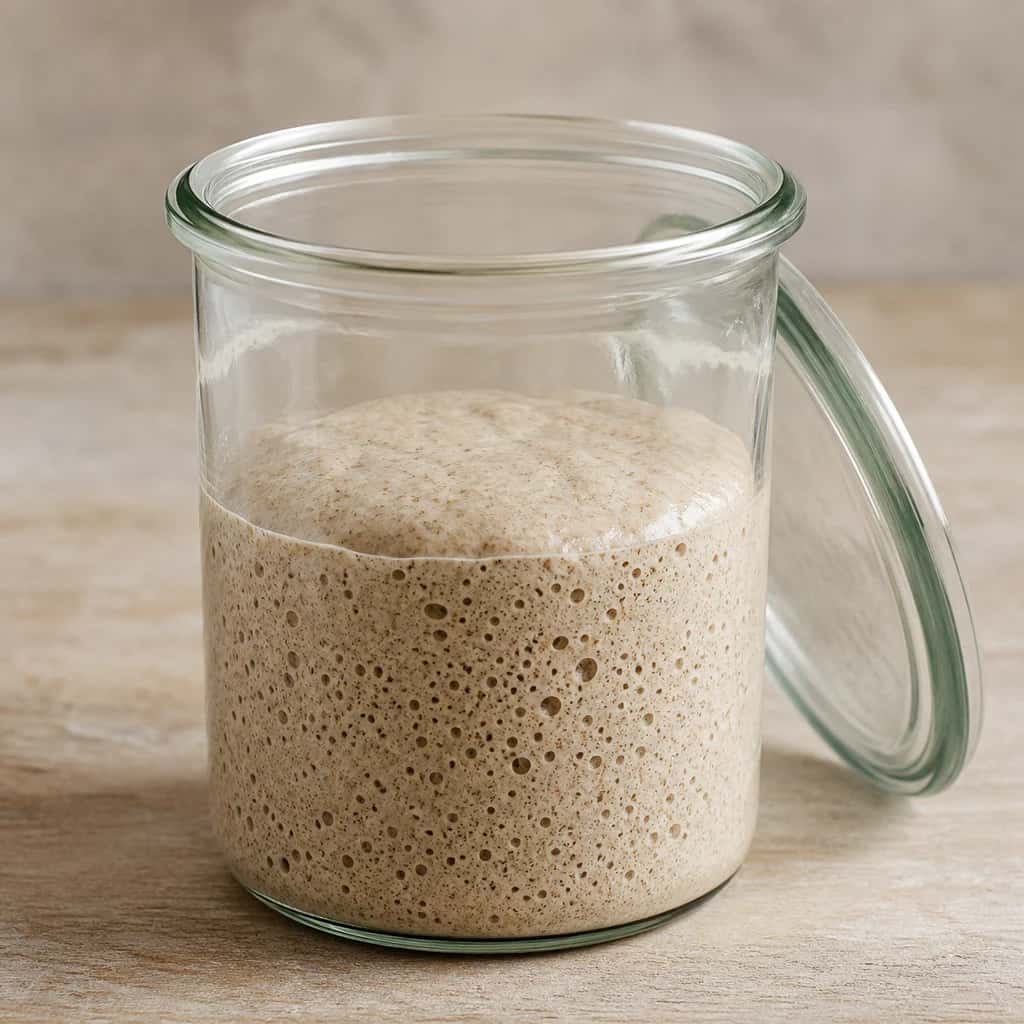
Rye Sourdough Starter
A beginner-friendly rye sourdough starter built through four warm fermentation stages, then maintained with regular refrigerator feedings.