
Panettone: Homemade Italian Christmas Bread
Make a traditional, soft, and fragrant panettone with a slow dough for an authentic Christmas dessert.
Panettone is a testament to the mastery of simplicity. The interplay between sourdough starter and sugar creates a soft yet firm structure, while raisins add warmth. Slow leavening ensures authenticity, making this dessert a work of art that requires time and care, as every good Italian recipe does.

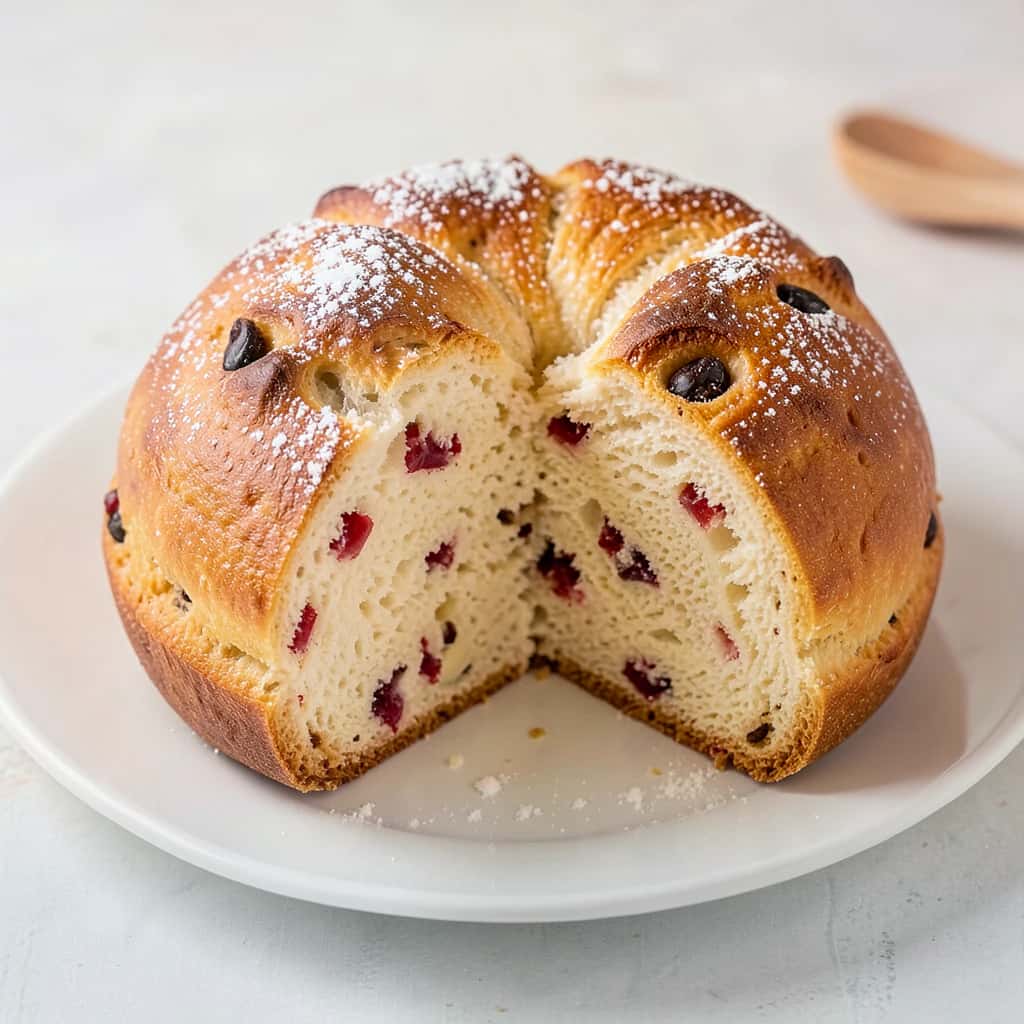
Instructions
- 1
To prepare the panettone, start by making the first dough. In a bowl, combine the malt, the 65 g of granulated sugar, and the 125 g of water at room temperature.
- 2
Stir with a whisk until the sugar dissolves; then, pour the syrup into a stand mixer fitted with a whisk attachment. Add the 250 g of Manitoba flour all at once and start mixing.
- 3
It will take about 5 minutes, and as soon as the dough starts to come together, add the 65 g of refreshed sourdough starter 3 that has been refreshed 8 times throughout the day, and continue mixing at a moderate speed. Meanwhile, prepare an emulsion of butter and egg yolks. Transfer 70 g of soft butter to a small bowl and work it with a hand whisk until it has a creamy consistency. Add about half of the egg yolks and mix.
- 4
Then, add the remaining and mix again to create a homogeneous emulsion. At this point, add half of it to the mixer.
- 5
To promote absorption, use a scraper to detach the dough that has stuck to the bowl and continue mixing the stand mixer at a moderate speed. When the dough is smooth, the butter will be fully absorbed. Add the remaining butter and egg yolk emulsion. Continue mixing until the dough is smooth and homogeneous, then transfer it to a lightly floured surface.
- 6
Shape the dough into a sphere, transfer it to a glass bowl, cover it with plastic wrap, and let it rise for about 12 hours at a temperature of about 26° until the dough has tripled in volume. In the meantime, if you prefer to make the citrus pastes at home, see the box at the end.
- 7
For the second dough of the panettone, using a scraper, detach the first dough (that has risen) from the glass bowl and transfer it to the stand mixer, also fitted with a dough hook. Add 65 g of Manitoba flour and start the machine at a moderate speed until the flour is fully absorbed. Then, add the aromatic pastes, namely the orange paste, the mandarin paste, and the lemon paste; add the honey
- 8
and the seeds from a vanilla bean. Continue mixing until the aromas are fully absorbed. Meanwhile, prepare another emulsion with 40 g of butter and 50 g of egg yolks, adding them in two batches as before.
- 9
Once your dough is elastic, turn off the machine and add 50 g of sugar. Turn on the machine again for a few minutes and add a pinch of salt. Let it absorb and turn off the machine again. Add the butter emulsion in two batches
- 10
e ultimate di lavorare l'impasto, fino a che risulterà ben incordato. Nel frattempo mettete a mollo l'uvetta e tagliate a cubetti sia il cedro che l'arancia candita.
- 11
A questo punto scolate per bene l'uvetta e versatela in una ciotola, aggiungete anche arancia e cedro e mescolate. Per esser certi che l'impasto è pronto spegnete la macchina, prelevatene una porzione e se allargandola con le mani risulterà sottile ma non si spezzerà facilmente significa che ha raggiunto la giusta elasticità; se così non fosse lavorate l'impasto ancora qualche minuto, altrimenti aggiungete il mix di frutta candita e uvetta in planetaria e azionatela nuovamente a velocità moderata.
- 12
Quando il mix di frutta candita e uvetta saranno ben incorporati spegnete la macchina, staccate la foglia e lasciate riposare l'impasto per circa 20 minuti all'interno della ciotola della planetaria, coprendola un canovaccio. Dopodiché trasferitelo su un piano, dategli alcune pieghe e lasciate riposare per altri 30 minuti a temperatura ambiente; non ci sarà bisogno di coprirlo. Non preoccupatevi se l'impasto dovesse risultare un po' appiccicoso aiutatevi a lavorarlo utilizzando un tarocco.
- 13
Trascorsi i 30 minuti prelevate 1050 gr di impasto, arrotondate delicatamente in modo da dare una forma sferica e trasferite all'interno di uno stampo di carta da 1 kg (le dimensioni esatte sono 22 cm di diametro e 8 cm di altezza). Utilizzate l'impasto rimasto (circa 150 g) per preparare due piccoli panettoncini utilizzando gli stampi da muffin. Scaldate il forno a 35°, poi spegnetelo, coprite il panettone con una cupola di vetro e riponete il panettone e i panettoncini a lievitare in forno per 6-8 ore.
- 14
Una volta lievitato lasciatelo scoperto a temperatura ambiente per circa 30 minuti, in questo modo si formerà in superficie una sottile pellicina. Con un taglierino fate un'incisione a croce e mettete una noce di burro al centro della croce. Infornate a 175° in modalità statica per 50 minuti, dopo 20-25 minuti sfornate i panettoncini e proseguite la cottura del panettone per i restanti minuti. Poi sfornatelo
- 15
e infilzatelo con 2 stecchini d'acciaio sui due bordi esterni. Lasciatelo raffreddare capovolto per tutta la notte, utilizzando due pentole o due ciotole della stessa altezza per fissarlo. Il mattino successivo giratelo, togliete gli stecchini e il vostro panettone sarà pronto da gustare!
- 16
Se volete potete realizzare la pasta dei vari agrumi in casa. Per realizzare quella al mandarino come prima cosa lavateli ed eliminate le estremità; quindi senza sbucciarli tagliateli prima a metà e poi a fette che dovrete dividere nuovamente a metà.
- 17
Trasferitele in un tegame e unite lo zucchero, mescolate e lasciate maturare per circa 15-20 minuti fino a che lo zucchero si sarà sciolto.
- 18
A questo punto ponete sul fuoco e cuocete a fuoco basso per 35-40 minuti. Una volta cotti lasciate intiepidire e frullate il tutto con un mixer ad immersione, fino ad ottenere la vostra pasta di mandarini.
Ago's Notes
- Use fresh ingredients and controlled heat for the best result.
Serve immediately for the best taste. This traditional Italian bread is a labor of love, demanding patience and attention to detail-akin to its Italian counterparts in both process and outcome.


How much of a capolavoro is this?
Share your opinion. Ago will say it the Italian way.
Pick a hand and tell Ago what you think.
Related Recipes
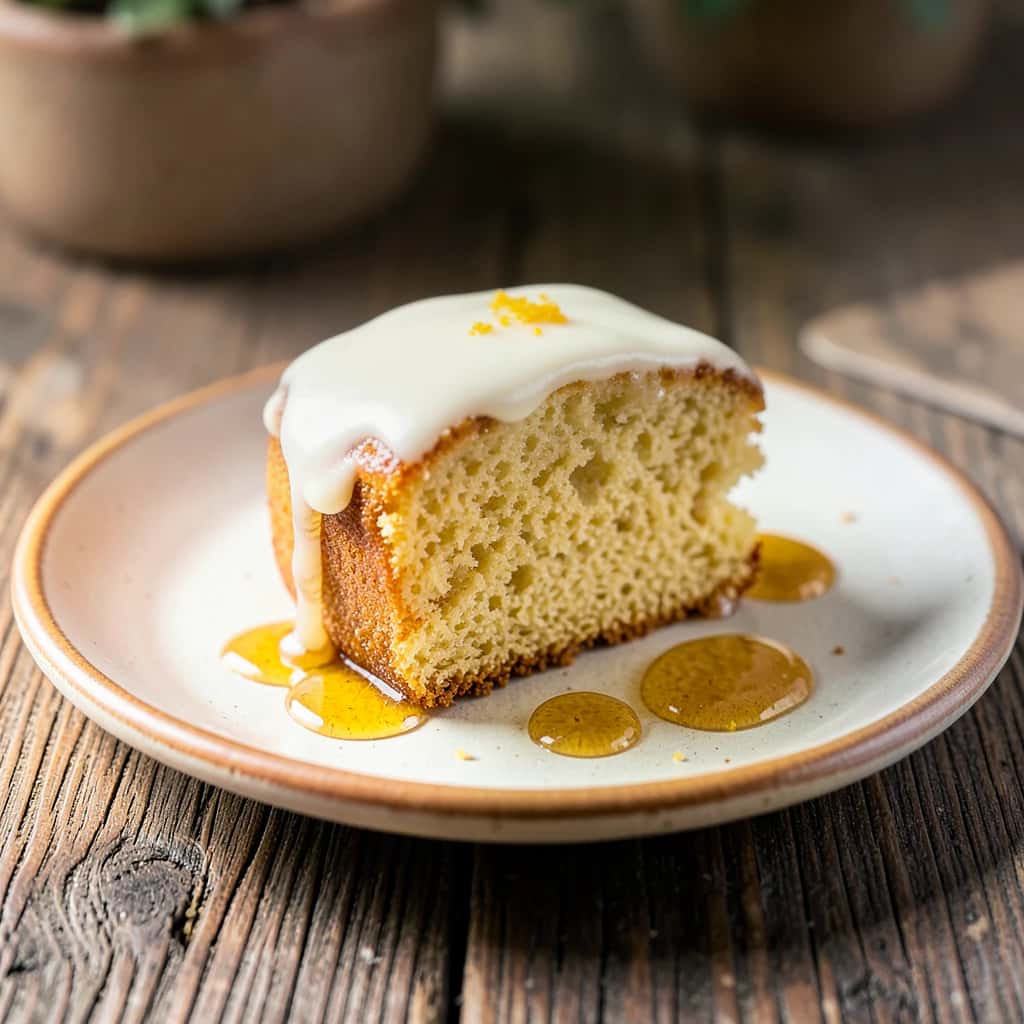
Honey Cake
A moist and flavorful honey cake with a sweet glaze and creamy frosting.
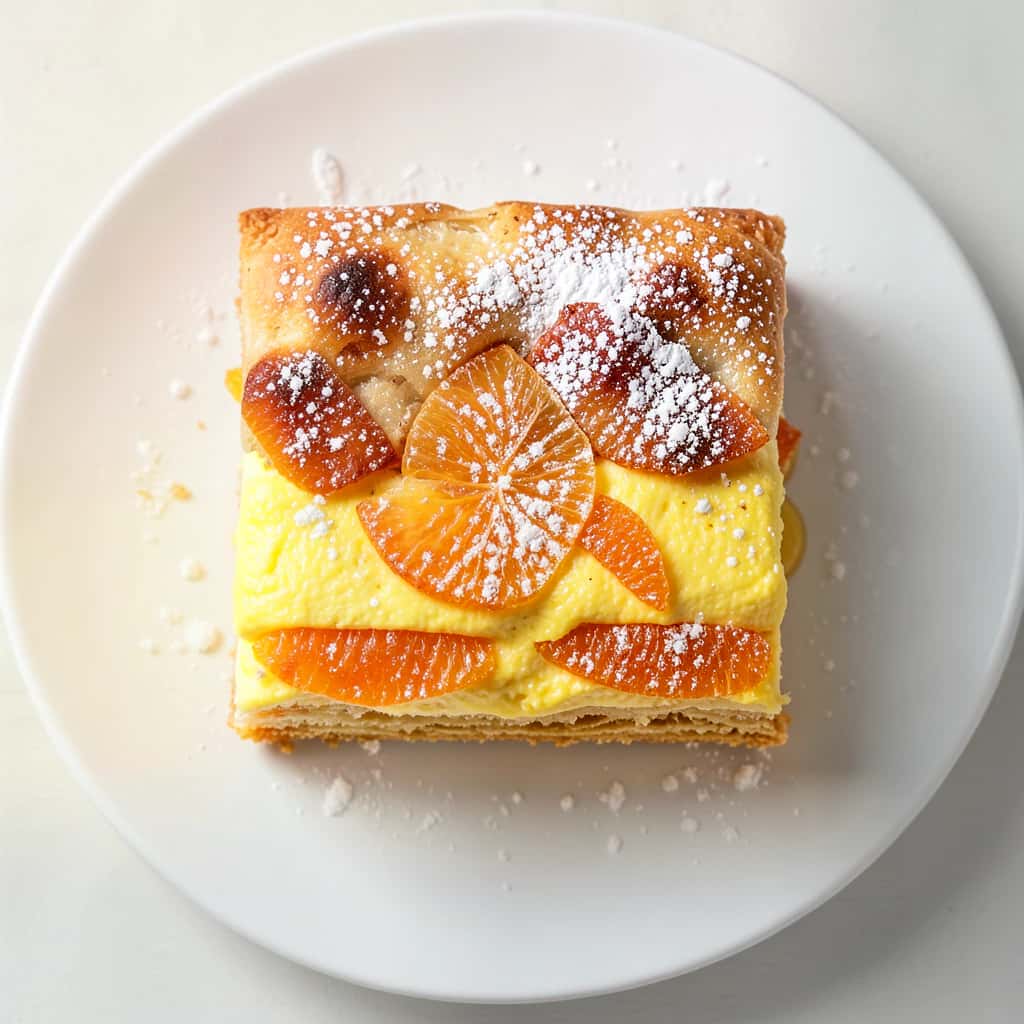
Neapolitan Pastiera
Pastiera is a traditional Neapolitan Easter cake made with shortcrust pastry and a filling of cooked wheat, ricotta cheese, and candied fruit. It's so delicious that it can be enjoyed all year round!
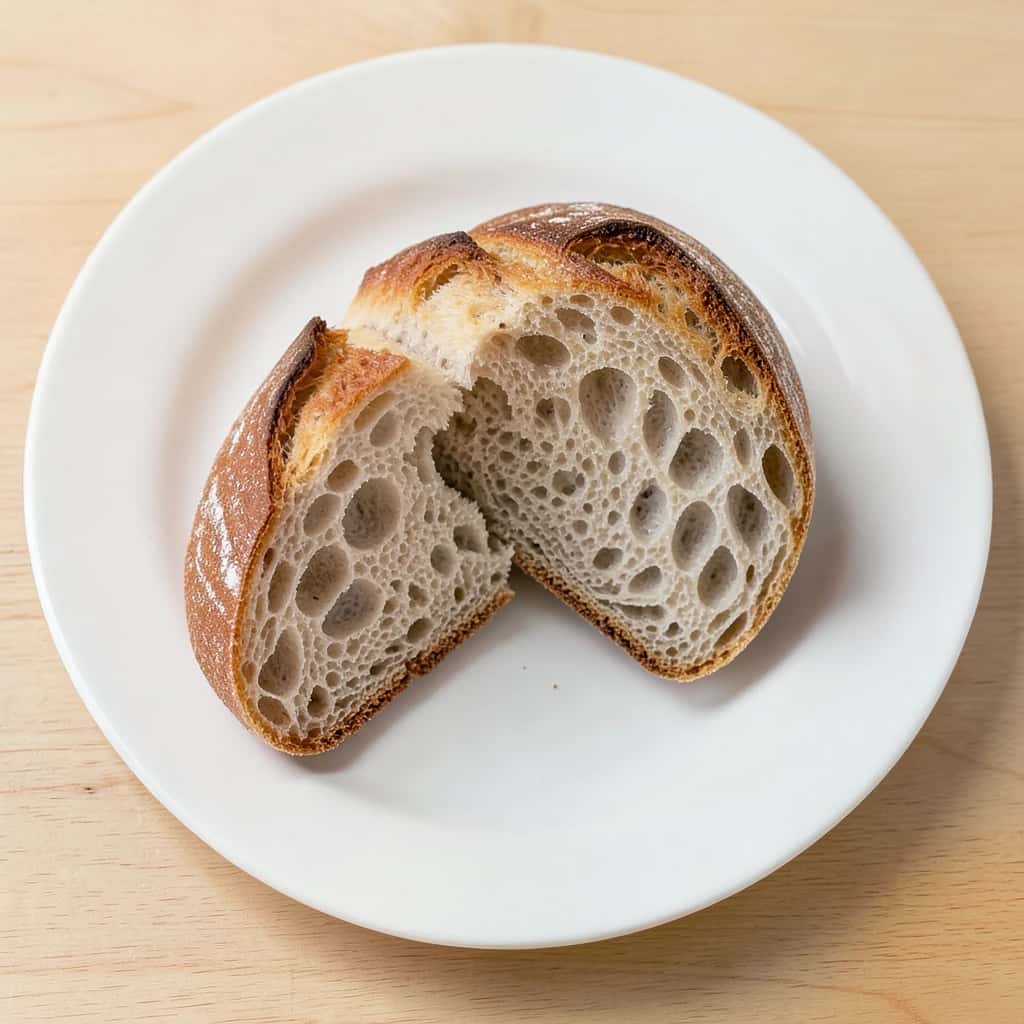
Ciabatta - A Simple Yet Flavorful Bread
A light yet flavorful bread from Veneto, ciabatta develops a unique texture through its highly hydrated dough.