Japanese Hot Pot Meal Prep
Prepare six Japanese chicken-and-vegetable nabe kits, freeze them, and simmer one straight from frozen in a quick dashi broth.
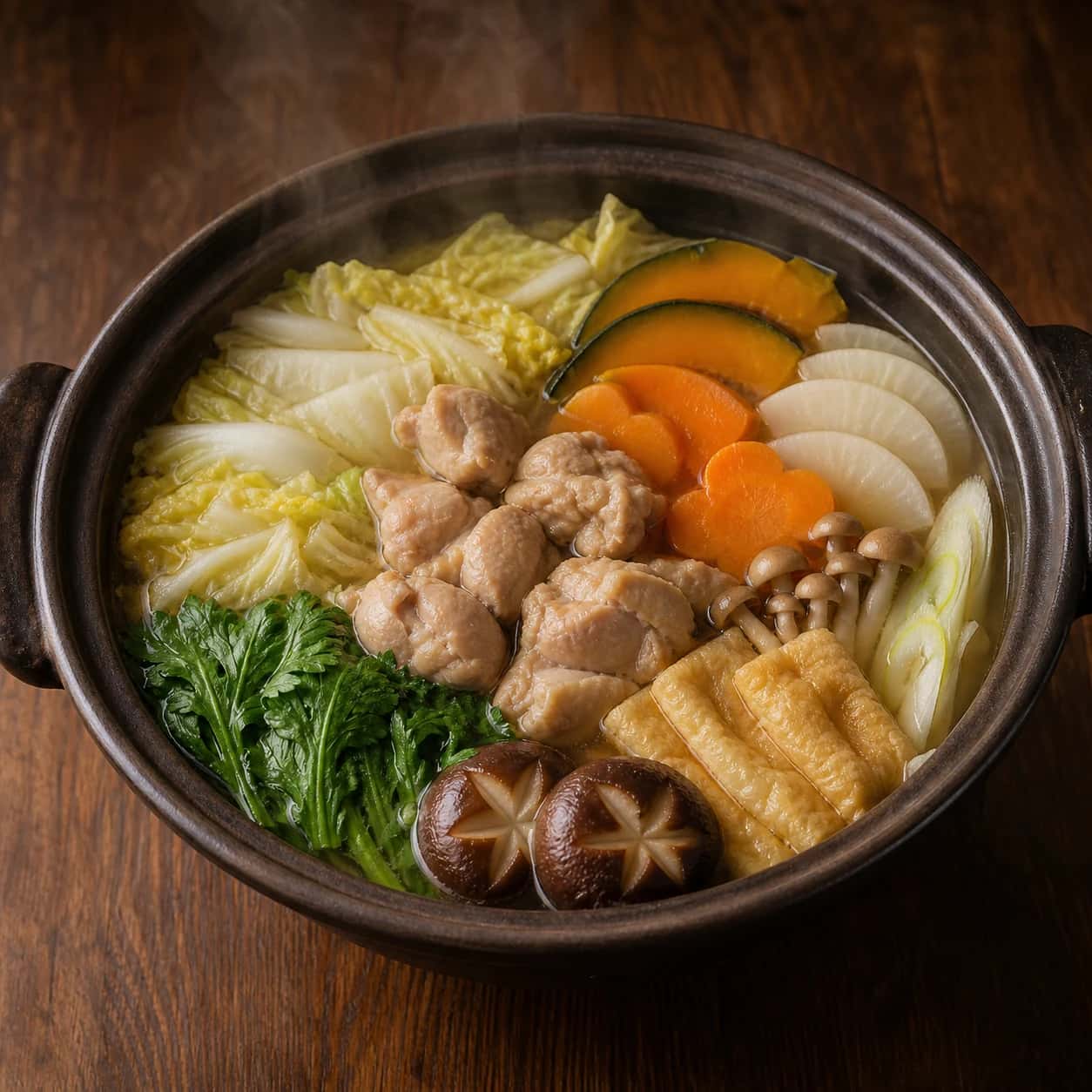
This make-ahead nabe method arranges dense vegetables, chicken, greens, tofu, and mushrooms so that flipping the frozen block into the pot puts each ingredient at the right heat level. One prep session produces six individual dinners, while a fresh dashi-soy broth keeps the final hot pot light and aromatic.
Instructions
- 1
Halve the kabocha piece crosswise and cut it into thin slices. Halve the daikon lengthwise, then cut it crosswise into ⅜-inch/1-cm half-moons. Slice the carrots diagonally ¼ inch/6 mm thick.
- 2
Remove the napa cabbage core and cut the leaves crosswise into 1½-inch/3.75-cm pieces, separating the tender leaves from the thick white pieces. Cut the shungiku into 2-inch/5-cm lengths and thinly slice the Tokyo negi on the diagonal.
- 3
Remove the shiitake stems and score the caps if desired. Trim the shimeji base and separate the mushrooms into small clusters. Cut the aburaage crosswise into 1-inch/2.5-cm pieces and the chicken into 2-inch/5-cm bite-size chunks.
- 4
Line six airtight freezer-safe containers with parchment paper. Divide the mushrooms, aburaage, and negi among the bottoms of the containers, placing scored shiitake caps decorative-side down.
- 5
Add the shungiku and tender napa leaves and press them down. Add the chicken and kabocha, keeping the chicken away from the container walls, then top with carrot and daikon.
- 6
Finish each kit with the thick napa cabbage pieces and press firmly so there is no loose space. Seal the lids and freeze for up to one month, or refrigerate for 1–2 days.
- 7
To cook one serving, take out one frozen kit without thawing and let it stand for 3–5 minutes. Meanwhile, put 2 cups water and the unopened dashi packet in a donabe or pot. Bring to a boil over medium heat, shake the packet a few times, then reduce to medium-low and simmer for 2–3 minutes.
3 min
- 8
Discard the dashi packet. Stir the mirin and soy sauce into the broth and return it to a gentle boil.
- 9
Loosen and remove the frozen block from its container and peel off the parchment. Put it in the boiling broth with the napa cabbage side down and mushrooms facing up. Cover and simmer for 8–10 minutes, until the chicken is opaque and completely cooked through and the vegetables are tender.
10 min
- 10
Serve immediately. Refrigerate cooked leftovers for 2–3 days; reheat gently with a splash of water or broth and do not refreeze.
Ago's Notes
- The broth quantities make one serving; prepare fresh broth each time you cook one frozen kit.
- Line each container with parchment paper so the frozen block releases easily. Let it stand for 3–5 minutes before turning it out.
- Freeze the sealed kits for up to one month, or refrigerate them for 1–2 days.
- Avoid freezing plain tofu, potatoes, Japanese sweet potatoes, konnyaku, shirataki noodles, or iceberg lettuce. Deep-fried tofu such as aburaage is suitable.
- Refrigerate cooked leftovers for 2–3 days and reheat over medium-low heat with a splash of water or broth. Do not refreeze.
Cook each kit directly from frozen, with the cabbage against the base of the pot and the mushrooms facing up.


How much of a capolavoro is this?
Share your opinion. Ago will say it the Italian way.
Pick a hand and tell Ago what you think.
Related Recipes
Chanko Nabe (Sumo Stew)
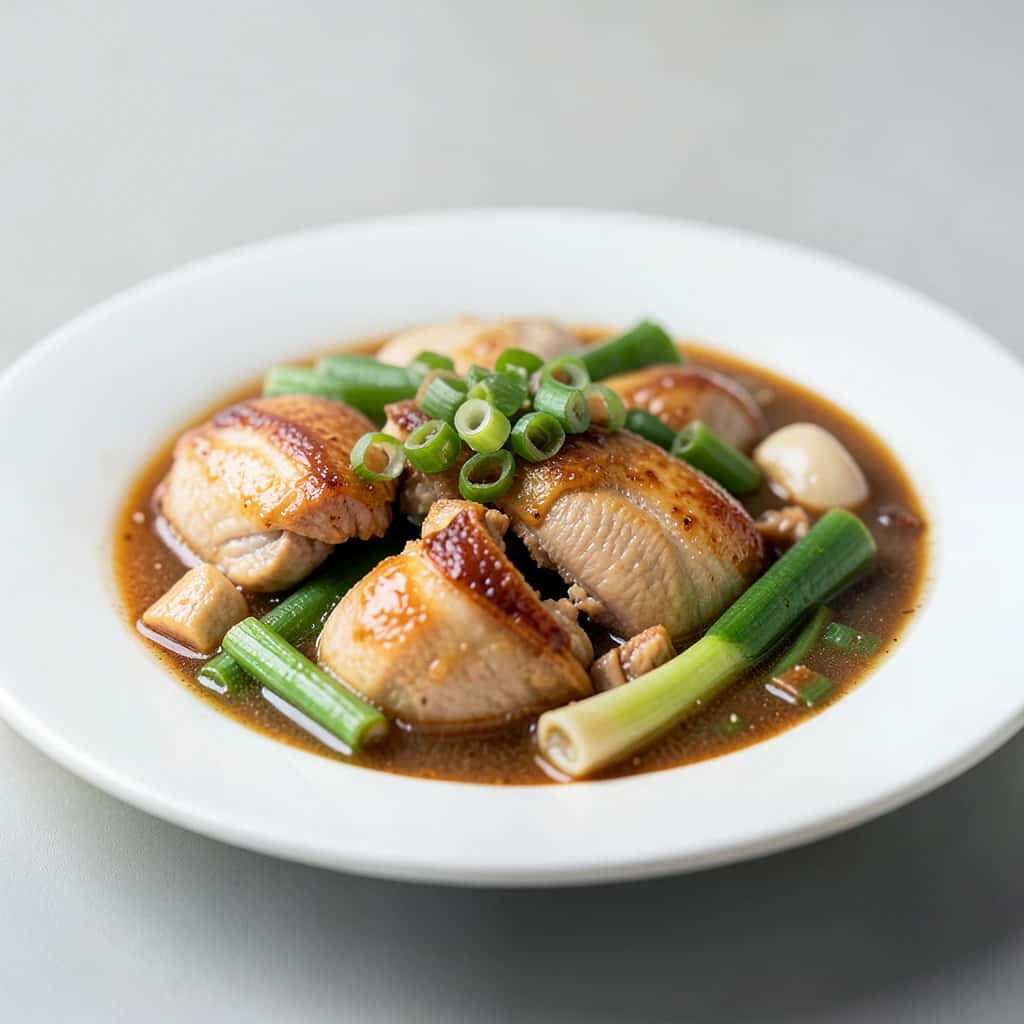
Chanko Nabe, or Sumo Stew, is a hearty Japanese hot pot with chicken meatballs, vegetables, and a gentle miso-chicken broth.
Firecracker Chicken
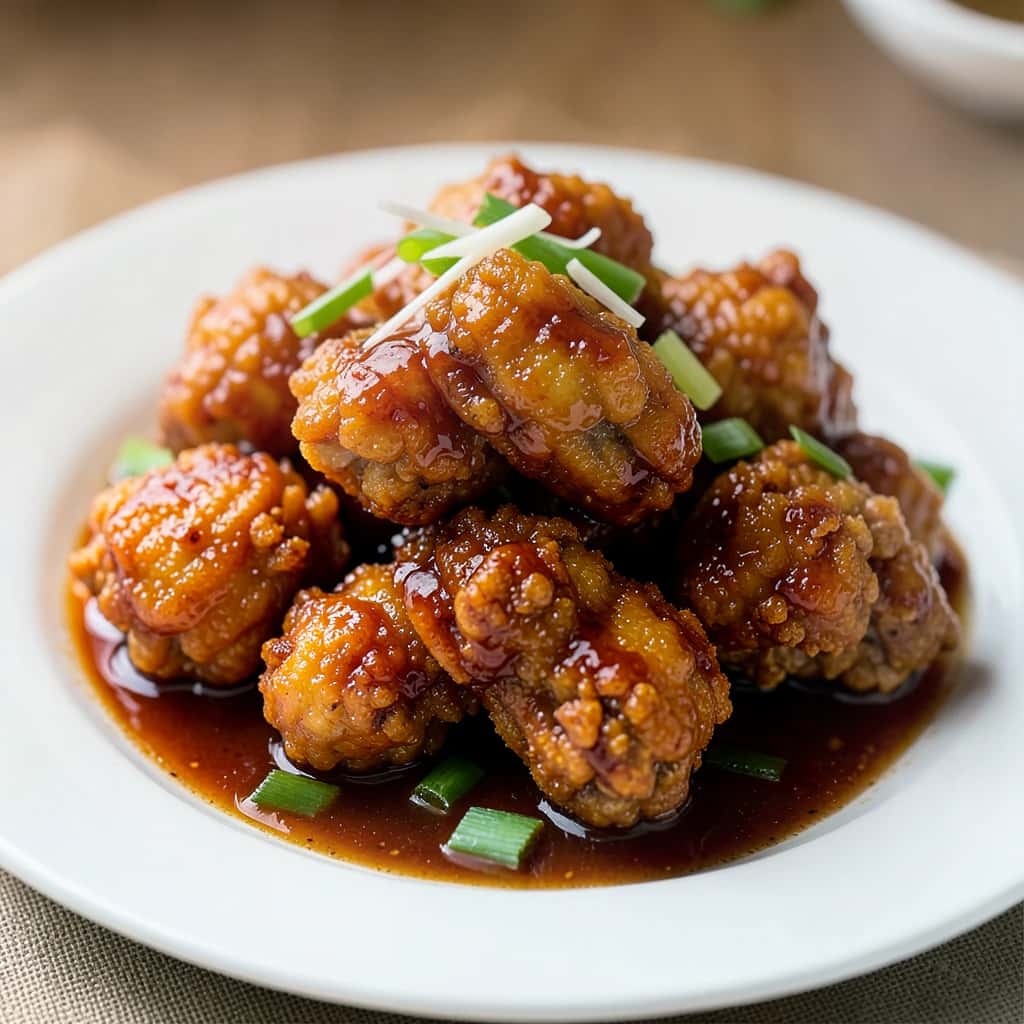
Crispy twice-fried chicken coated in a glossy Chinese American sweet-spicy sauce with garlic, chili and scallions.
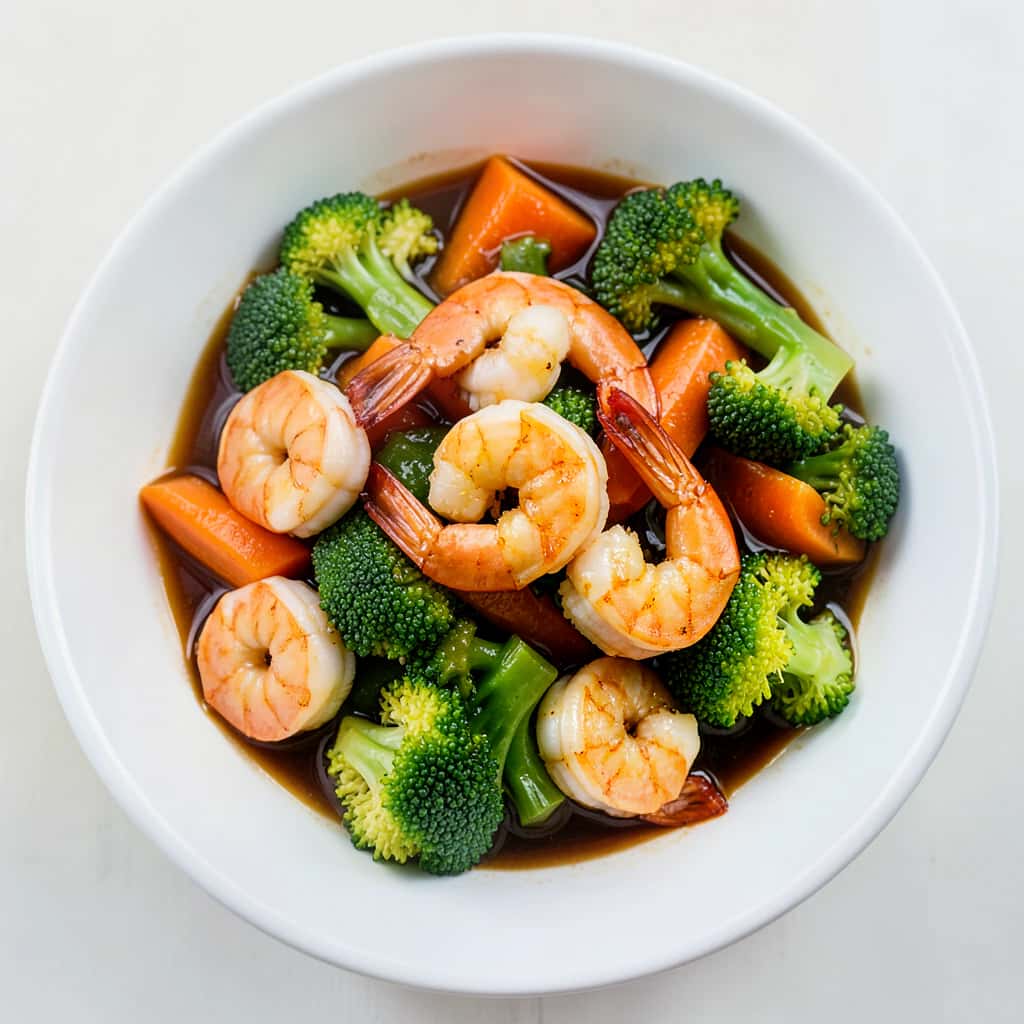
Shrimp and Broccoli Stir Fry
Quick and easy seafood stir fry with tender shrimp, crisp broccoli, and savory oyster sauce. Ready in under 30 minutes.