
Chanko Nabe (Sumo-Eintopf)
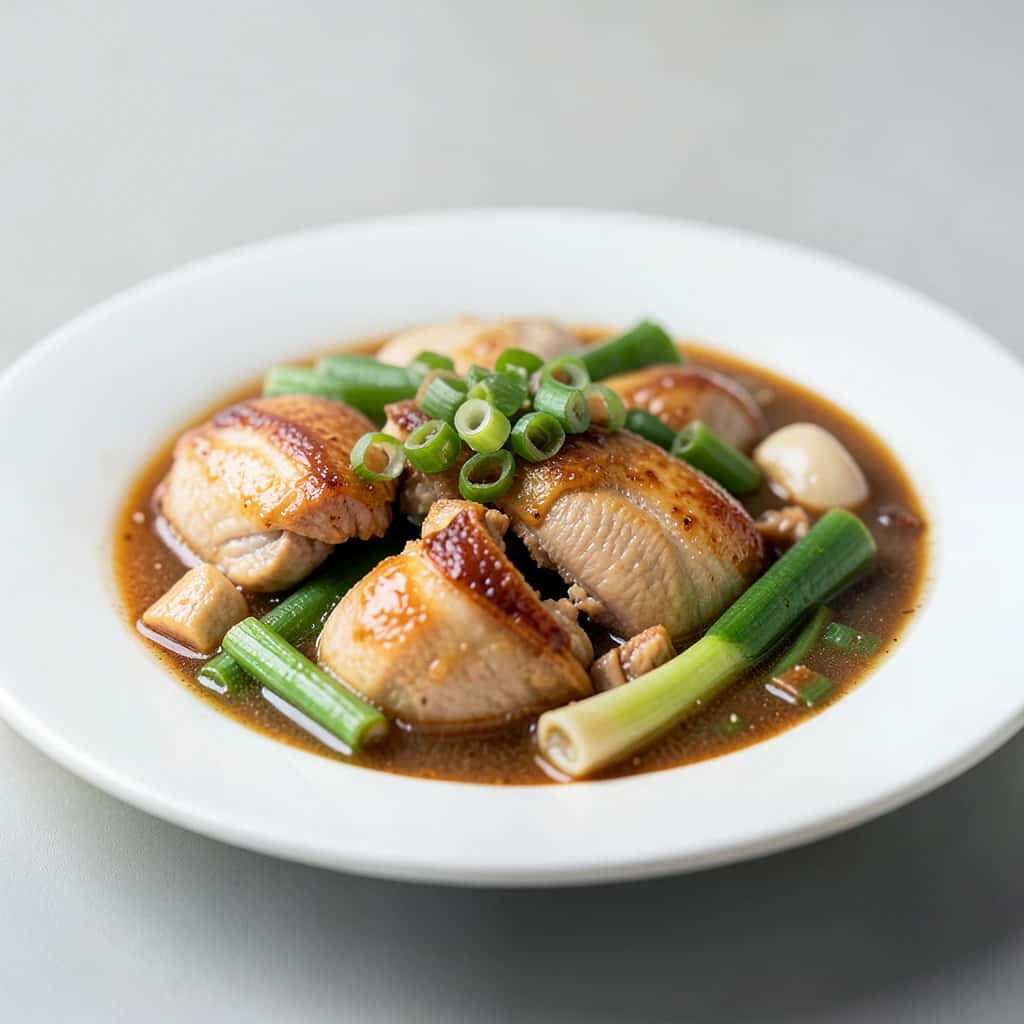
Chanko Nabe oder Sumo-Eintopf ist ein herzhafter Eintopf, bei dem Hähnchenfrikadellen und Gemüse in einer milden, cremigen Miso-Hähnchen-Brühe geschmort werden. Dieses nahrhafte Gericht wird täglich von japanischen Sumo-Ringer gegessen und lässt sich leicht zu Hause zubereiten. Ich zeige Ihnen, wie Sie einen tiefen Geschmack erzielen und alles am Tisch zubereiten, für ein unvergessliches Essen.

Zubereitung
- 1
Mit den Händen alles gut vermengen, bis eine gleichmäßige, helle Masse entsteht.
- 2
Die Masse zu etwa 3 cm großen Hähnchenfrikadellen formen. Wenn die Masse zu locker ist, um Frikadellen zu formen, etwas mehr Panko hinzufügen.
- 3
Shape the mixture into 1-inch (
- 4
5-cm) chicken meatballs. If it's too loose to form meatballs, sprinkle in additional panko, as needed.
- 5
Protein:Trim the visible fat from 4 boneless, skinless chicken thighs and cut the meat into bite-sized pieces. Cut 1½ lb cod fillet into 2-inch (5-cm) chunks. Peel and devein 8 shrimp. Cut 14 oz medium-firm tofu (momen dofu) into 1-inch (
- 6
5-cm) cubes. Cut 6 oz sliced pork belly (optional) into 2-inch (5-cm) pieces. Vegetables:Separate ½ head napa cabbage into leaves and cut them into roughly 2-inch (5-cm) pieces. Slice 2 inches carrot. Optionally, make decorative flower shapes using a vegetable cutter; see how to cut carrots into flower shapes. Cut 2 Tokyo negi (long green onion) diagonally into pieces 1 inch (
- 7
5 cm) long.Cut 6 green onions/scallions into pieces 2 inches (5 cm) long. Remove the stems from 4–6 shiitake mushrooms. Optionally, make a decorative cuts; see how to make a flower pattern on shiitake mushroom caps.
- 8
On the stovetop, combine 6 cups chicken stock/broth, ¼ cup sake, and ⅓ cup mirin in a donabe clay pot (or Dutch oven or large pot). Add 1½ tsp crushed garlic from 2 cloves garlic and 2 Tbsp ginger juice (grated and squeezed from 4 inches ginger). Bring it all to a simmer over medium heat.
- 9
Once simmering, ladle a small amount of broth into a measuring cup or bowl. Add ½ cup white miso to the cup and stir until fully dissolved and smooth, with no lumps remaining.
- 10
Do not let the broth boil once you add the miso, or it will lose its flavor and aroma. Gradually stir the miso mixture back into the pot and turn off the heat as soon as small bubbles appear around the edges.
- 11
Arrange all the stew ingredients on platters and set them on the table. Pour the ponzu sauce and/or sesame dipping sauce (goma dare) into individual dipping bowls at each place setting. Provide chopsticks, soup bowls, and soup spoons (optional).Place a portable gas burner on the table and set the donabe with broth on top. If you don’t have a portable burner, cook on the stovetop and transfer to a large serving bowl, or bring the pot to the table between batches.
- 12
First batch: Bring the broth to a simmer over medium heat. Add the fish, tofu, napa cabbage stems, negi, carrots, and some mushrooms. Cook in batches if needed. Cover and simmer gently for about 10 minutes, until napa cabbage is tender, the fish flakes easily, and the chicken is cooked through with no pink remaining. Transfer to individual bowls and enjoy.Nami's Tip: Keep the broth at a gentle simmer.
- 13
Second batch: Add the chicken meatballs, meat (or more fish), and remaining vegetables. Cover and simmer gently for about 10 minutes. Note that vegetables and tofu cook faster than meat and seafood. Serve in individual bowls to enjoy the second round. Nami's Tip: Add water or chicken broth if the liquid reduces too much.
- 14
Remove the solids from the broth when you're ready for the final course. Add 4 servings cooked Japanese short-grain rice or precooked udon noodles to the broth. Simmer for 2–3 minutes, until the rice or noodles are heated through and have absorbed some of the broth. Serve immediately.
- 15
Refrigerate leftovers in an airtight container for up to 36 hours. Reheat gently before serving.
Ago's Tipps
- Mit frischen Zutaten und kontrollierter Hitze wird das Ergebnis am besten.
Sofort servieren und am Ende final abschmecken.


Wie sehr ist dieses Rezept ein Capolavoro?
Gib deine Meinung ab. Ago sagt es auf italienische Art.
Wähle eine Hand und sag Ago, was du denkst.
Ähnliche Rezepte
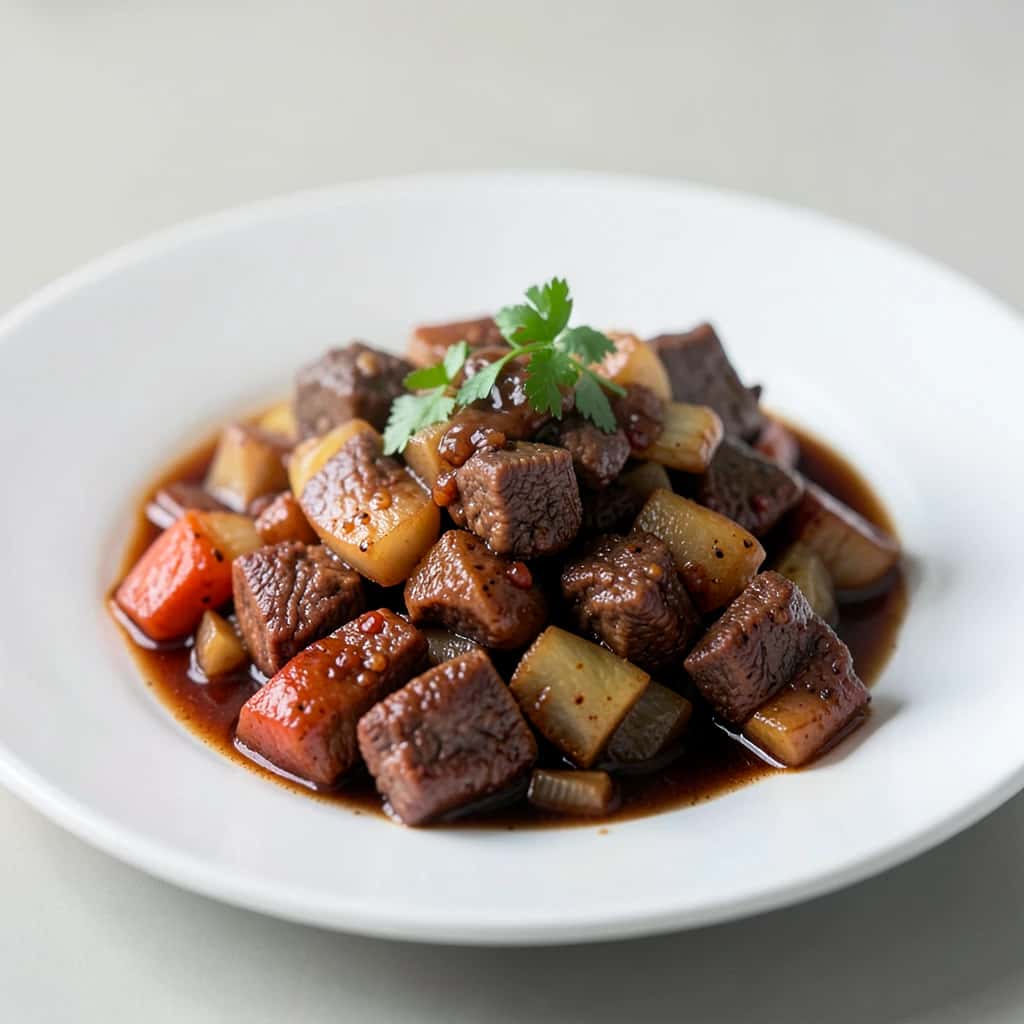
Rindfleisch-Wirsing-Pfanne
Eine Rindfleisch-Wirsing-Pfanne mit einer herzhaften Soße, serviert über Reis. Dieses einfache, proteinreiche Gericht für den Eintopf ist perfekt für geschäftige Abende.
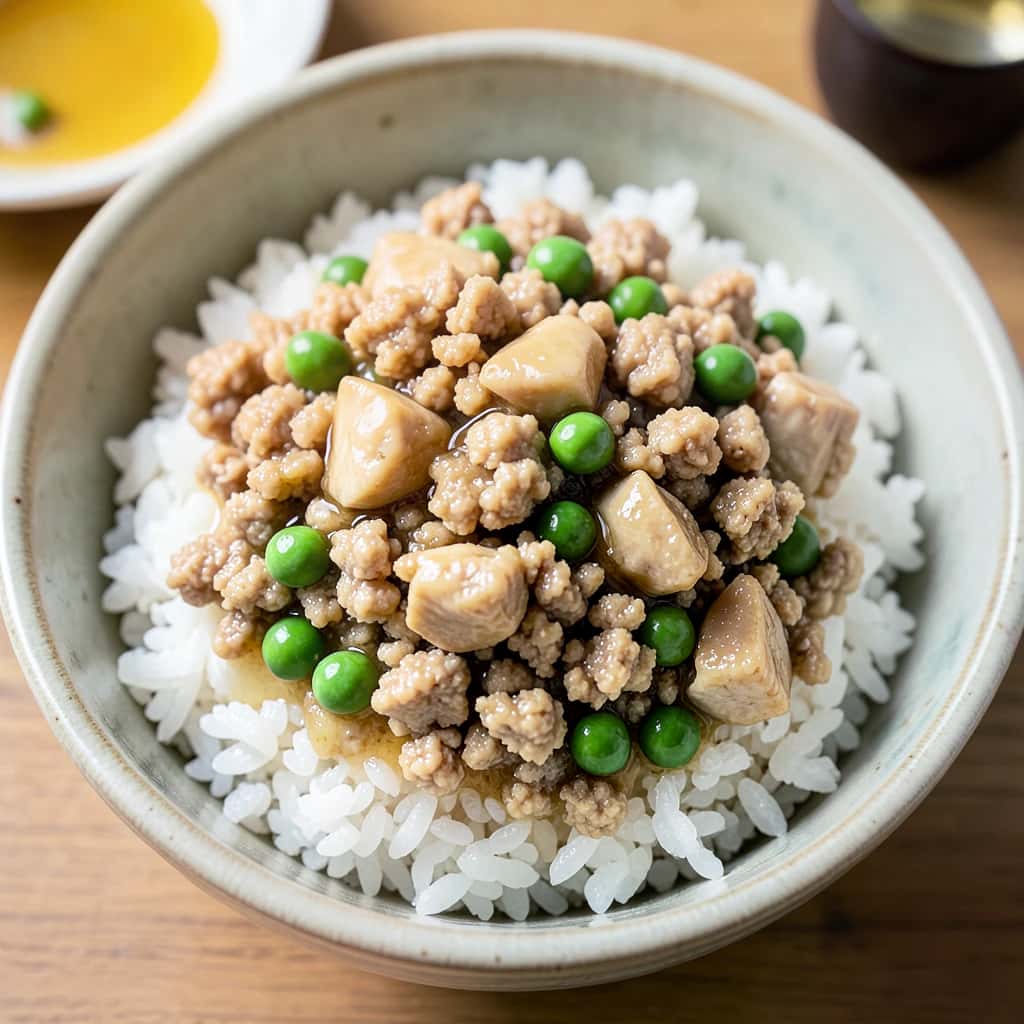
Soboro Don (Hühnchen-Reisbowl)
Haben Sie Lust auf eine schnelle und sättigende Mahlzeit? Probieren Sie Soboro Don, ein süß-würziges Hackfleischgericht mit lockerem Rührei über einem Schüssel Reis. Es ist ein einfaches Bento-Mittagessen, das auch als Abendessen mit heißem Reis köstlich ist.
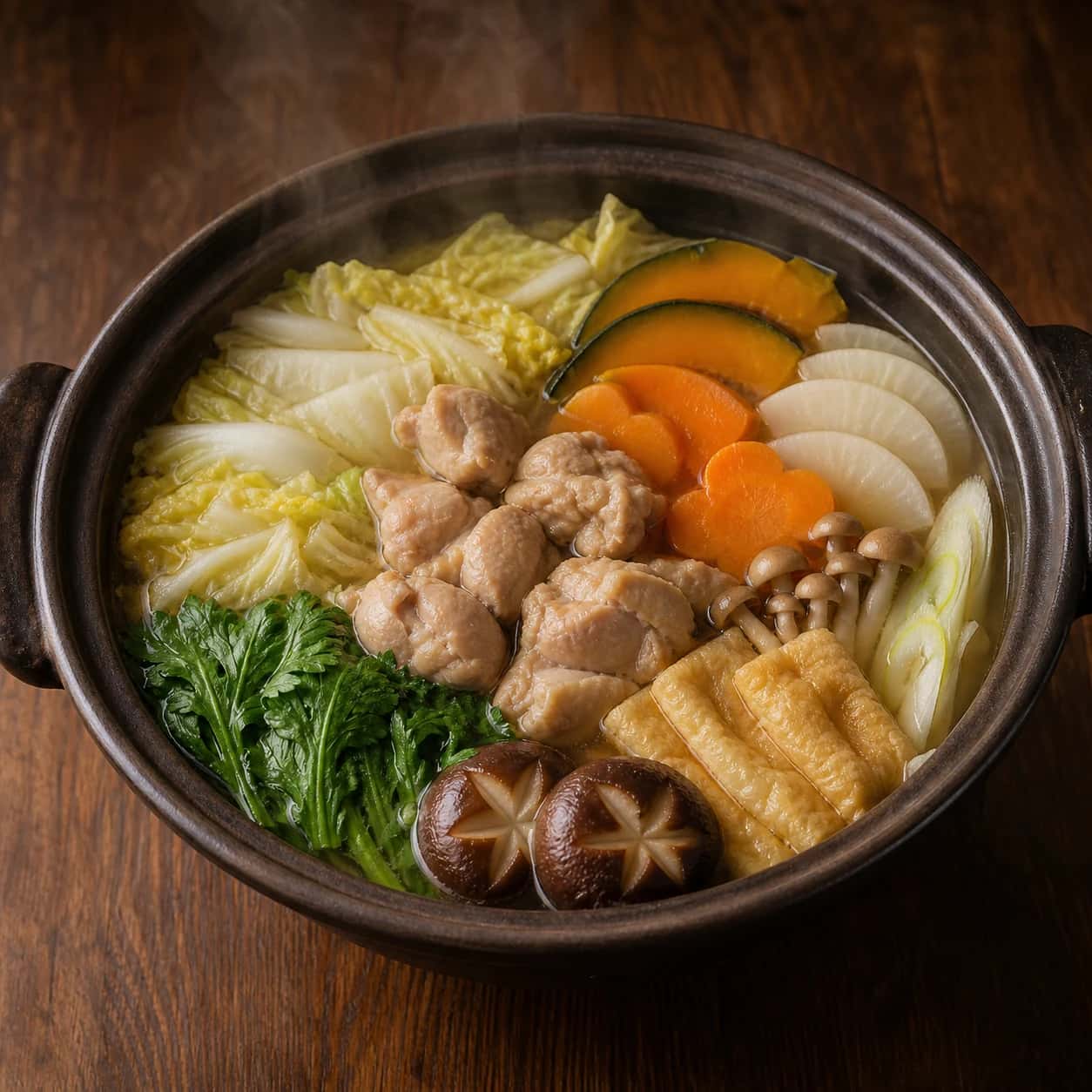
Japanische Hot-Pot-Vorbereitung
Sechs japanische Nabe-Kits mit Hähnchen und Gemüse vorbereiten, einfrieren und eines direkt gefroren in einer schnellen Dashi-Brühe garen.