
Chanko Nabe (Estofado de Sumo)
Disponible en
Puedes cambiar el idioma en cualquier momento.
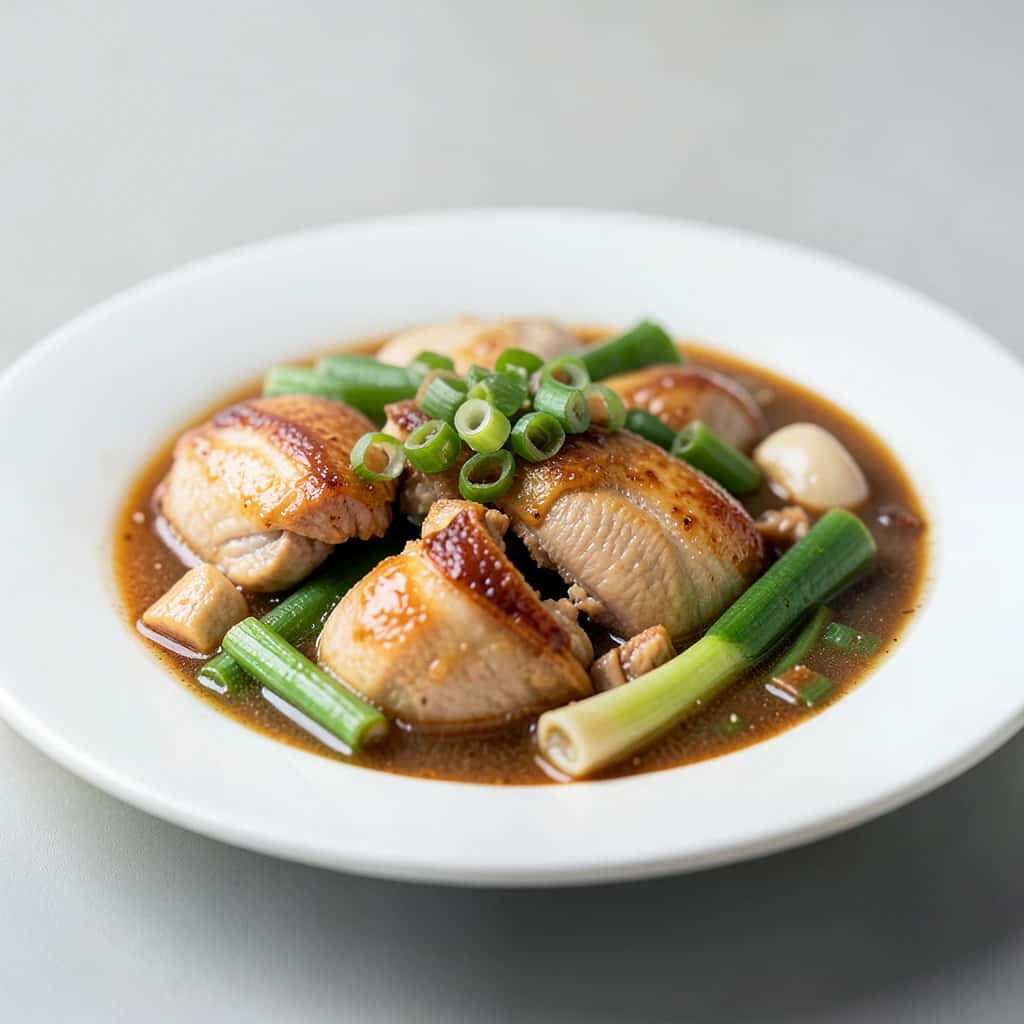
El Chanko Nabe o Estofado de Sumo es un abundante guiso servido en una olla caliente, con albóndigas de pollo y verduras cocidas a fuego lento en un caldo suave y cremoso de miso y pollo. Este reconfortante plato, que comen a diario los luchadores de sumo japoneses, es fácil de preparar en casa. Te mostraré cómo lograr un sabor profundo y cocinar todo en la mesa para disfrutar de una comida inolvidable.

Instrucciones
- 1
In a large bowl, combine ½ lb ground chicken, 2 tsp soy sauce, 2 tsp ginger juice (grated and squeezed from 2 inches ginger), 1 Tbsp cornstarch, 6 Tbsp panko (Japanese breadcrumbs), 1 green onions/scallion (finely chopped), and ½ large egg (50 g w/o shell) (beaten).
- 2
Using your hands, mix it all together until pale and well combined.
- 3
Shape the mixture into 1-inch (
- 4
5-cm) chicken meatballs. If it's too loose to form meatballs, sprinkle in additional panko, as needed.
- 5
Protein:Trim the visible fat from 4 boneless, skinless chicken thighs and cut the meat into bite-sized pieces. Cut 1½ lb cod fillet into 2-inch (5-cm) chunks. Peel and devein 8 shrimp. Cut 14 oz medium-firm tofu (momen dofu) into 1-inch (
- 6
5-cm) cubes. Cut 6 oz sliced pork belly (optional) into 2-inch (5-cm) pieces. Vegetables:Separate ½ head napa cabbage into leaves and cut them into roughly 2-inch (5-cm) pieces. Slice 2 inches carrot. Optionally, make decorative flower shapes using a vegetable cutter; see how to cut carrots into flower shapes. Cut 2 Tokyo negi (long green onion) diagonally into pieces 1 inch (
- 7
5 cm) long.Cut 6 green onions/scallions into pieces 2 inches (5 cm) long. Remove the stems from 4–6 shiitake mushrooms. Optionally, make a decorative cuts; see how to make a flower pattern on shiitake mushroom caps.
- 8
On the stovetop, combine 6 cups chicken stock/broth, ¼ cup sake, and ⅓ cup mirin in a donabe clay pot (or Dutch oven or large pot). Add 1½ tsp crushed garlic from 2 cloves garlic and 2 Tbsp ginger juice (grated and squeezed from 4 inches ginger). Bring it all to a simmer over medium heat.
- 9
Once simmering, ladle a small amount of broth into a measuring cup or bowl. Add ½ cup white miso to the cup and stir until fully dissolved and smooth, with no lumps remaining.
- 10
Do not let the broth boil once you add the miso, or it will lose its flavor and aroma. Gradually stir the miso mixture back into the pot and turn off the heat as soon as small bubbles appear around the edges.
- 11
Arrange all the stew ingredients on platters and set them on the table. Pour the ponzu sauce and/or sesame dipping sauce (goma dare) into individual dipping bowls at each place setting. Provide chopsticks, soup bowls, and soup spoons (optional).Place a portable gas burner on the table and set the donabe with broth on top. If you don’t have a portable burner, cook on the stovetop and transfer to a large serving bowl, or bring the pot to the table between batches.
- 12
First batch: Bring the broth to a simmer over medium heat. Add the fish, tofu, napa cabbage stems, negi, carrots, and some mushrooms. Cook in batches if needed. Cover and simmer gently for about 10 minutes, until napa cabbage is tender, the fish flakes easily, and the chicken is cooked through with no pink remaining. Transfer to individual bowls and enjoy.Nami's Tip: Keep the broth at a gentle simmer.
- 13
Second batch: Add the chicken meatballs, meat (or more fish), and remaining vegetables. Cover and simmer gently for about 10 minutes. Note that vegetables and tofu cook faster than meat and seafood. Serve in individual bowls to enjoy the second round. Nami's Tip: Add water or chicken broth if the liquid reduces too much.
- 14
Remove the solids from the broth when you're ready for the final course. Add 4 servings cooked Japanese short-grain rice or precooked udon noodles to the broth. Simmer for 2–3 minutes, until the rice or noodles are heated through and have absorbed some of the broth. Serve immediately.
- 15
Refrigerate leftovers in an airtight container for up to 36 hours. Reheat gently before serving.
Notas de Ago
- Usa ingredientes frescos y calor controlado para lograr el mejor resultado.
Sirve de inmediato y ajusta la sazón al final.


¿Cuánto capolavoro es esta receta?
Comparte tu opinión. Ago la dirá al estilo italiano.
Elige una mano y cuéntale a Ago qué piensas.
Recetas Relacionadas
Salteado de Res y Col
Salteado de carne molida y col elaborado con una salsa sabrosa y servido sobre arroz. Esta cena fácil, rica en proteínas y de una sola olla, es perfecta para las noches ocupadas.
Soboro Don (Tazón de Pollo Picado)
Craving a quick and comforting meal? Try Soboro Don, sweet-savory ground chicken and fluffy scrambled eggs over a bowl of rice. It's a simple bento lunch classic that’s just as delicious for weeknight dinners.
Preparación anticipada de hot pot japonés
Prepara seis kits de nabe con pollo y verduras, congélalos y cocina uno directamente congelado en un caldo rápido de dashi.