
Bagna Cauda - A Warm Autumnal Dip from Piedmont, Italy
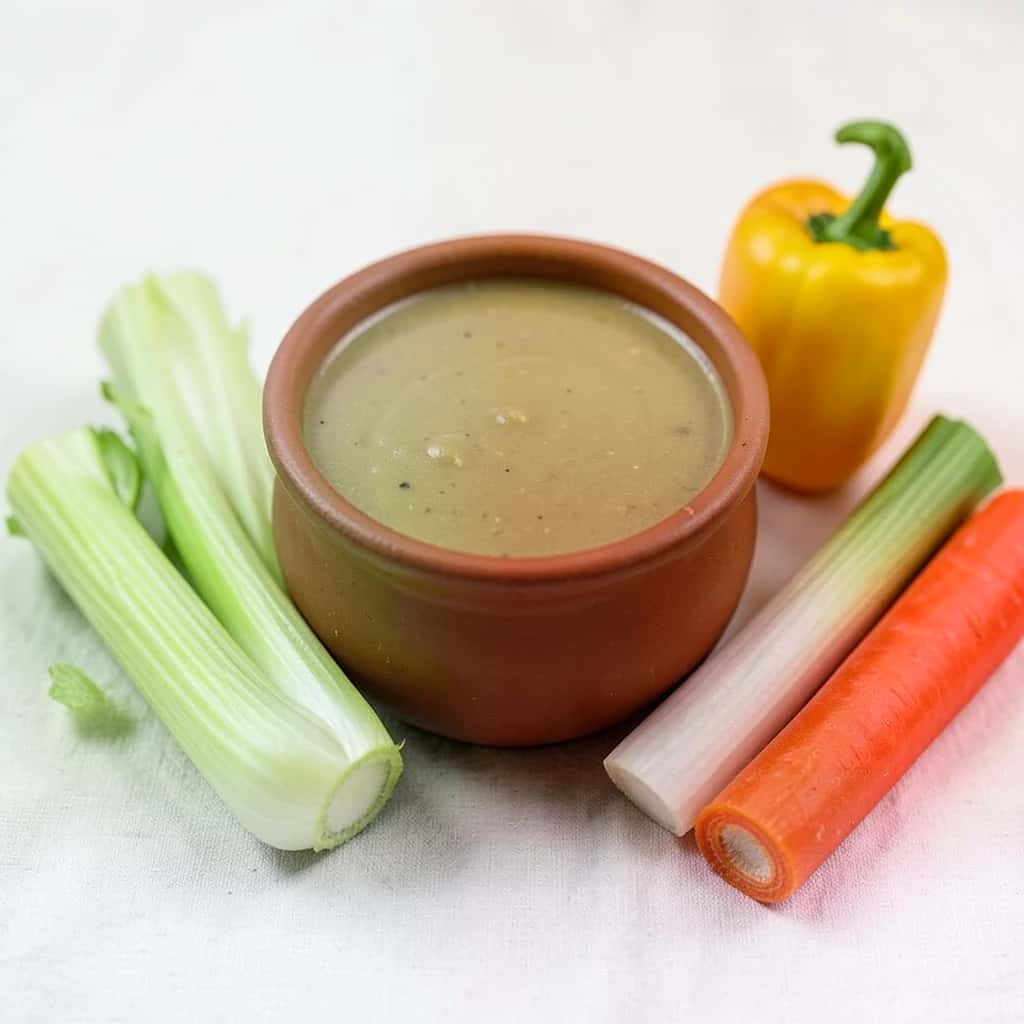
Bagna cauda is a typical dish from Piedmont, Italy, used as a dip for autumn vegetables. This warm and vibrant sauce pairs perfectly with seasonal veggies like bell peppers, beets, and onions.
This warm autumnal dip, bagna cauda, combines the depth of the sea with the vibrancy of the land, perfect for enhancing seasonal vegetables. Its base of garlic, olive oil, and anchovies creates a rich blend of flavors that pairs well with peppers, beets, and onions.

Instructions
- 1
To prepare the bagna cauda, start by peeling the garlic heads, removing the outer skin from each clove. Then, using a small knife, cut each clove in half and remove the germ, then slice the cloves.
- 2
Set the garlic aside and proceed with desalinating the anchovies: place the anchovies in a bowl and cover them with cold water, let them soak for 2-3 hours, changing the water frequently to remove the salt. Perform this operation very gently to prevent the anchovies from falling apart. When the anchovies have softened, drain them.
- 3
Cut them in half and remove the entrails with the central bone, then rinse them under running water.
- 4
Then, line a small tray or baking sheet with paper towels and arrange the fillets on top. Dry the fillets, then place them in a baking dish and rinse with red wine, stirring gently.
- 5
Cover with the remaining oil and bring the dip to a simmer over low heat for about half an hour, making sure that the bagna does not fry. Meanwhile, prepare the vegetables to accompany the bagna cauda; start with the cooked vegetables: roast the onions with the skin on, then cut them into wedges.
- 6
Cook the potatoes in boiling water, they should not be too soft so that they can be cut into wedges, finally bake the beets and cut them like the other vegetables. Roast the bell peppers and cut them into wedges as well.
- 7
Now move on to the raw vegetables: wash the cardoons, remove the ends and the outer filaments, and cut them in half lengthwise. Wash the spring onions and soak them in wine, preferably Barbera, as tradition dictates. Once the anchovies have dissolved, your bagna cauda will be ready to serve at the table, preferably in the traditional "fujot".
- 8
To prepare the bagna cauda with milk, start by peeling the garlic heads, setting aside the whole cloves, then cut the cloves in half with a small knife and remove the germ, then slice the cloves.
- 9
Set the garlic aside and proceed with desalinating the anchovies: place the anchovies in a bowl and cover them with cold water, let them soak for 2-3 hours, changing the water frequently to remove the salt. Perform this operation very gently to prevent the anchovies from falling apart. When the anchovies have softened, drain them, cut them in half, remove the entrails with the central bone, and rinse them under running water.
- 10
Then, line a small tray or baking sheet with paper towels and arrange the fillets on top. Place the garlic cloves in a saucepan and add fresh milk, bring to a boil, then let it simmer over very low heat for 15/20 minutes until the garlic softens. Heat half a glass of oil in a saucepan and then add the anchovies, continue cooking over low heat, being careful not to fry the oil, stirring with a wooden spoon to dissolve the anchovies.
- 11
When the anchovies have been reduced to a cream, pour the garlic cooked in milk into the saucepan. Mix to combine the ingredients and add the remaining oil, cook over low heat for 20-30 minutes, the oil should never fry, and the sauce should have a creamy consistency. Once cooked, serve the bagna cauda with milk in the traditional "fujot" and accompany it with vegetables as per tradition.
Ago's Notes
- Adjust the salt according to the salt content of the preserves.
May the warmth of this bagna cauda accompany you at the table, enhancing each bite with its rich blend of flavors. Its simplicity and authenticity make it a delightful choice for autumn gatherings, much like traditional Italian dishes.


How much of a capolavoro is this?
Share your opinion. Ago will say it the Italian way.
Pick a hand and tell Ago what you think.
Related Recipes
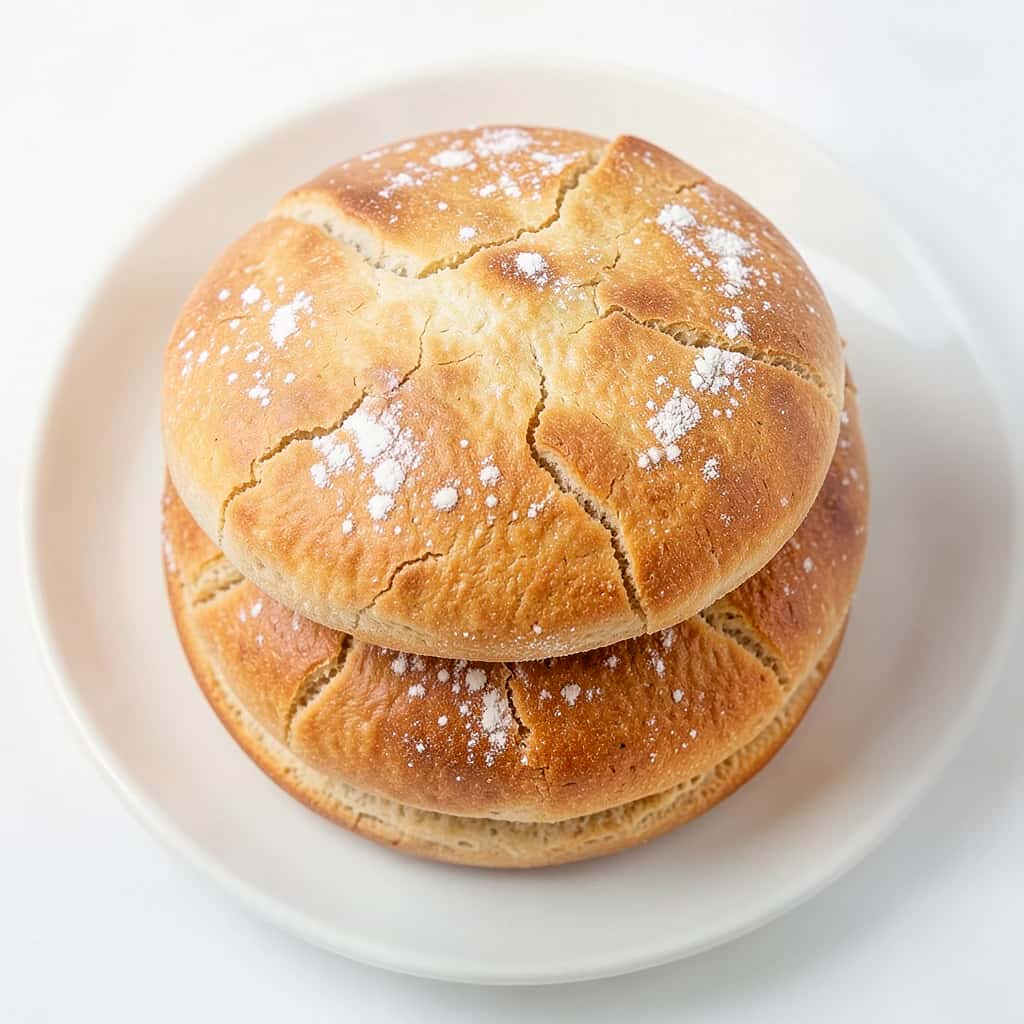
Crescentine or tigelle
Learn how to make traditional Modenese flatbreads, crescentine or tigelle, with a simple dough of flour, lard, yeast, and water.
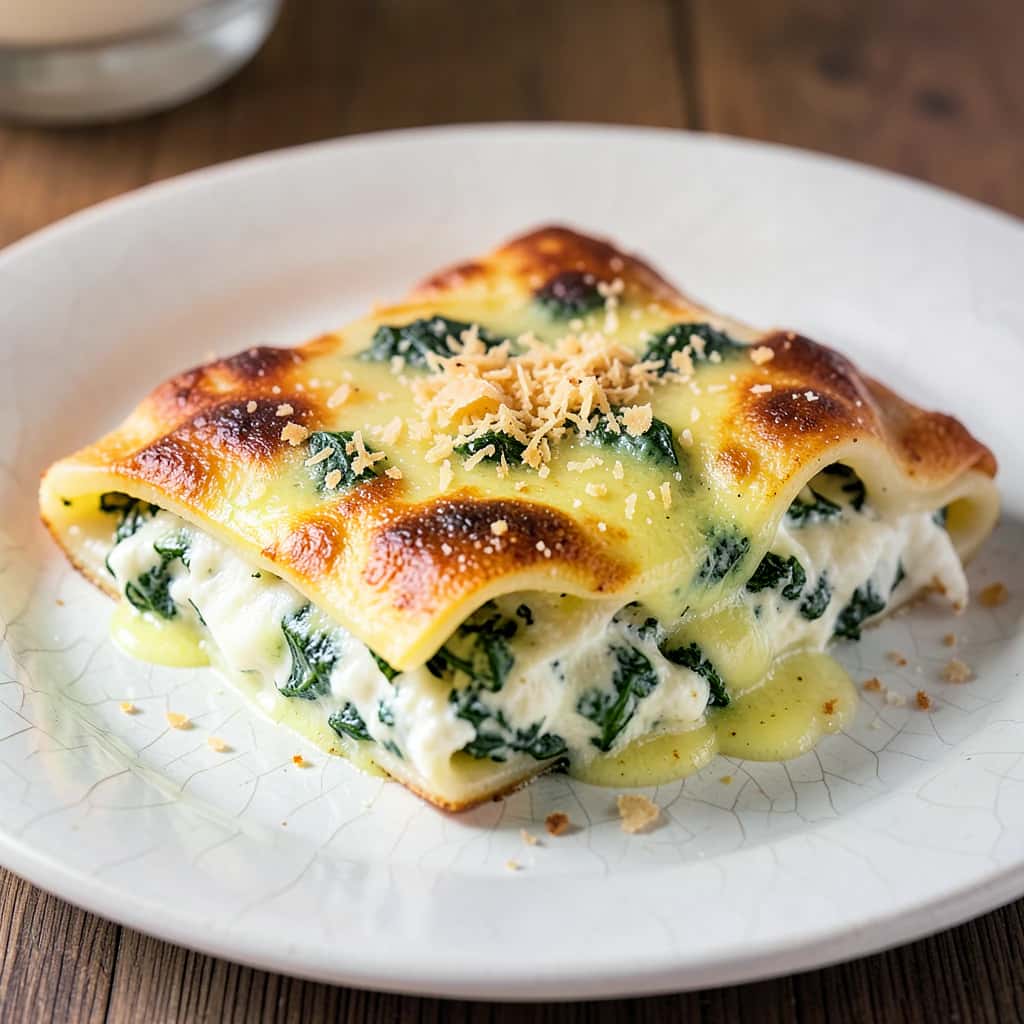
Cannelloni with Ricotta and Spinach
A delightful Italian pasta dish filled with a creamy ricotta and spinach mixture, topped with béchamel sauce and grated Parmesan cheese.
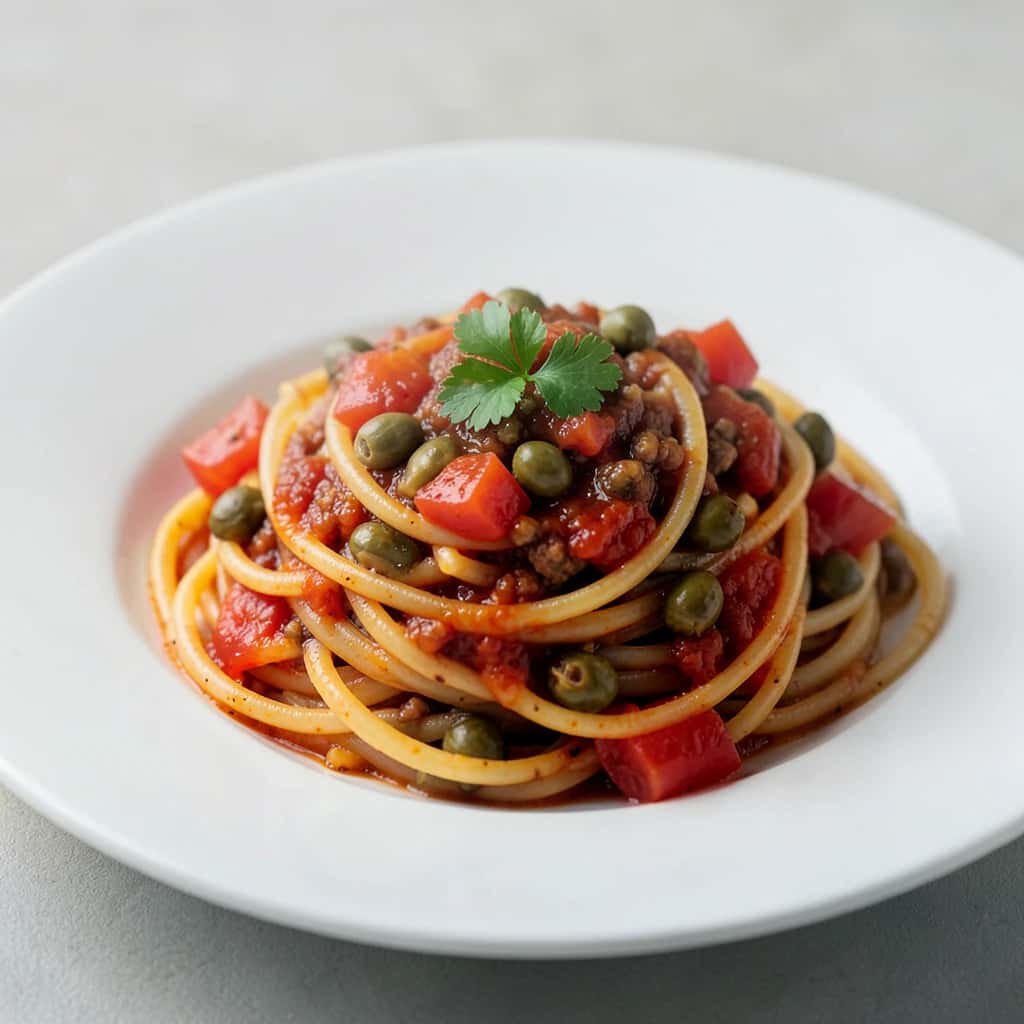
Spaghetti alla Puttanesca
Spaghetti alla puttanesca is a delicious pasta dish with tomato, olives, anchovies, and capers, easy and quick to prepare! Discover the ingredients and recipe.