
Rye Sourdough Starter
A beginner-friendly rye sourdough starter built through four warm fermentation stages, then maintained with regular refrigerator feedings.
A dependable starter comes from clean tools, steady warmth, and watching fermentation rather than following the clock alone.

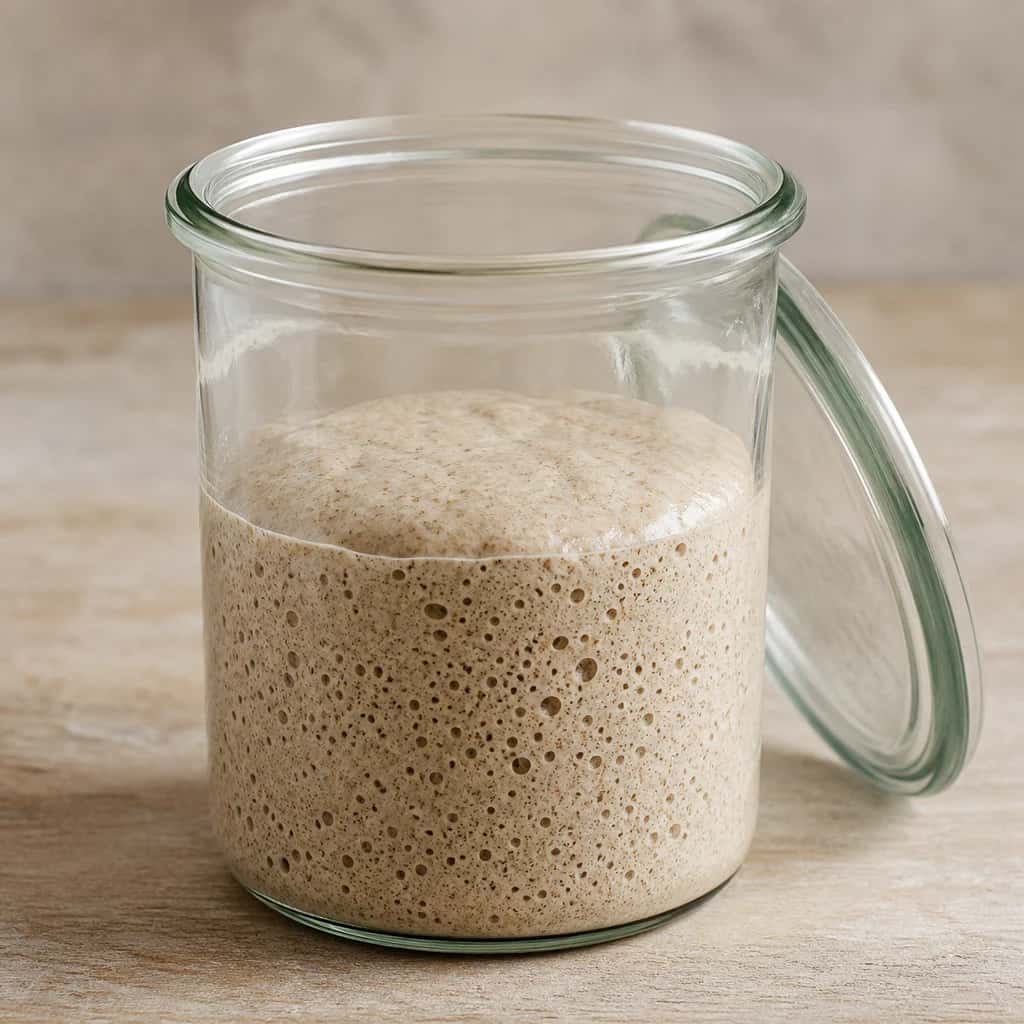
Instructions
- 1
For Stage 1, vigorously mix 50 g rye flour with 50 g warm water in a large clean preserving jar. Add up to 10 g more water only if extremely stiff. Rest the lid loosely on top and ferment at 25-30°C/77-86°F for 20-24 hours.
24 hr
- 2
For Stage 2, mix the entire starter with 50 g rye flour and 50-60 g warm water. Cover loosely and ferment at 25-30°C/77-86°F for 8-15 hours. Continue when it has doubled and is just beginning to recede.
15 hr
- 3
For Stage 3, retain 50 g starter and discard the remainder. Mix with 50 g rye flour and 50-60 g warm water. Cover loosely and ferment at 25-30°C/77-86°F for about 12 hours, until doubled and beginning to recede.
12 hr
- 4
For Stage 4, retain 10 g starter and discard the remainder. Mix with 50 g rye flour and 50-60 g warm water. Cover loosely and ferment at 25-30°C/77-86°F for 8-12 hours; it should rise by at least half.
12 hr
- 5
When the starter smells distinctly sour and shows activity, about 110 g is ready for baking. Otherwise repeat Stage 4. Depending on the bread recipe, about 75 g may be used for 500 g flour; very young starter may need yeast added to the bread dough until it grows stronger.
- 6
Store the remaining starter in a small clean jar with a loosely fitted lid in the refrigerator. Every 7-10 days, transfer 10 g to a fresh jar and feed with 50 g rye flour and 50 g water.
- 7
Let the refreshed starter ferment at 25-30°C/77-86°F for 6-12 hours. Remove the amount needed for baking and refrigerate the remainder again.
12 hr
Ago's Notes
- Work cleanly and use thoroughly washed jars and spoons. Discard the entire starter and begin again if you see mold or unusual colors.
- The times are guides: volume, bubbles, and aroma determine when to continue. Cover the jar loosely and never seal it airtight during fermentation.
- A sharp acetone-like smell can indicate a hungry starter; visible mold or abnormal coloration is different and requires disposal.
With regular feedings, the young starter becomes increasingly vigorous and can support sourdough baking for years.


How much of a capolavoro is this?
Share your opinion. Ago will say it the Italian way.
Pick a hand and tell Ago what you think.
Related Recipes
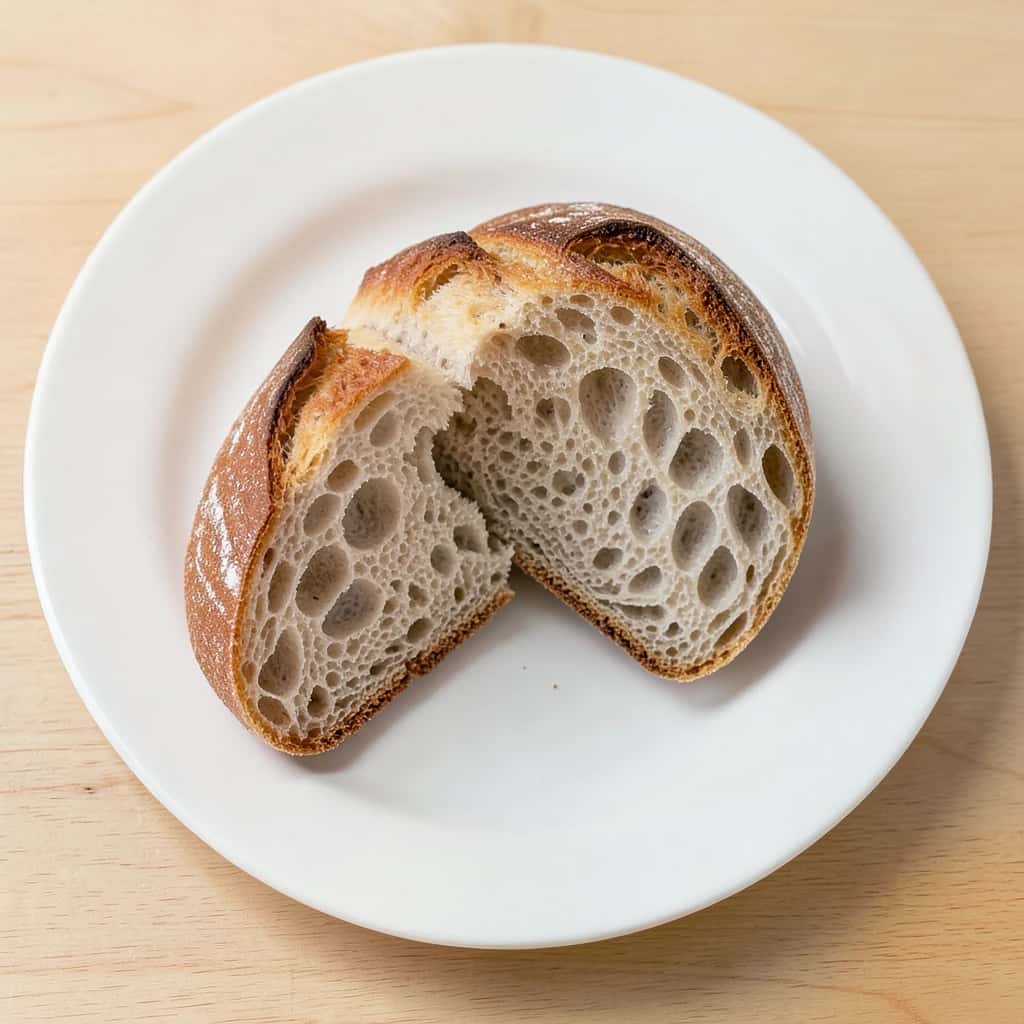
Ciabatta - A Simple Yet Flavorful Bread
A light yet flavorful bread from Veneto, ciabatta develops a unique texture through its highly hydrated dough.
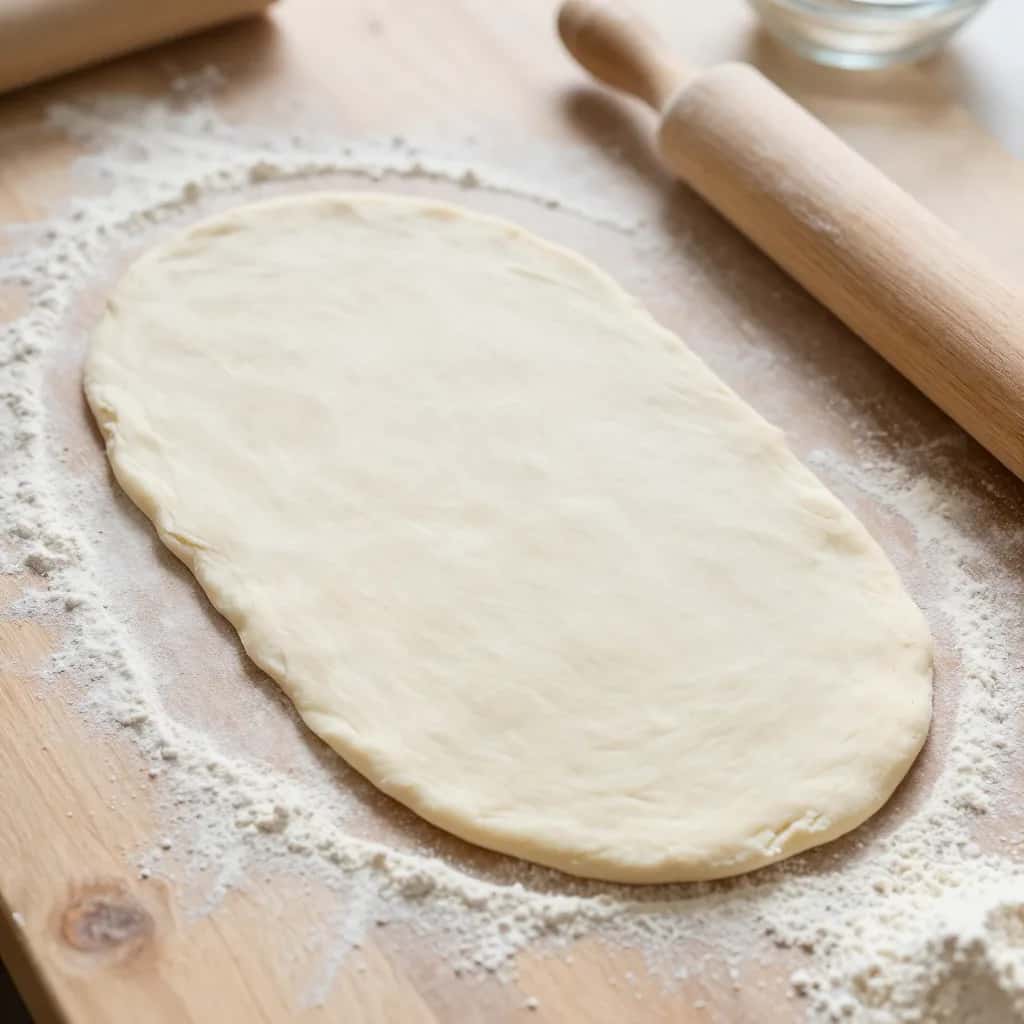
Flammkuchen Dough
A simple, quick base recipe for crispy, yeast-free Flammkuchen dough. It suits vegetarian toppings, bacon or even a sweet finish.
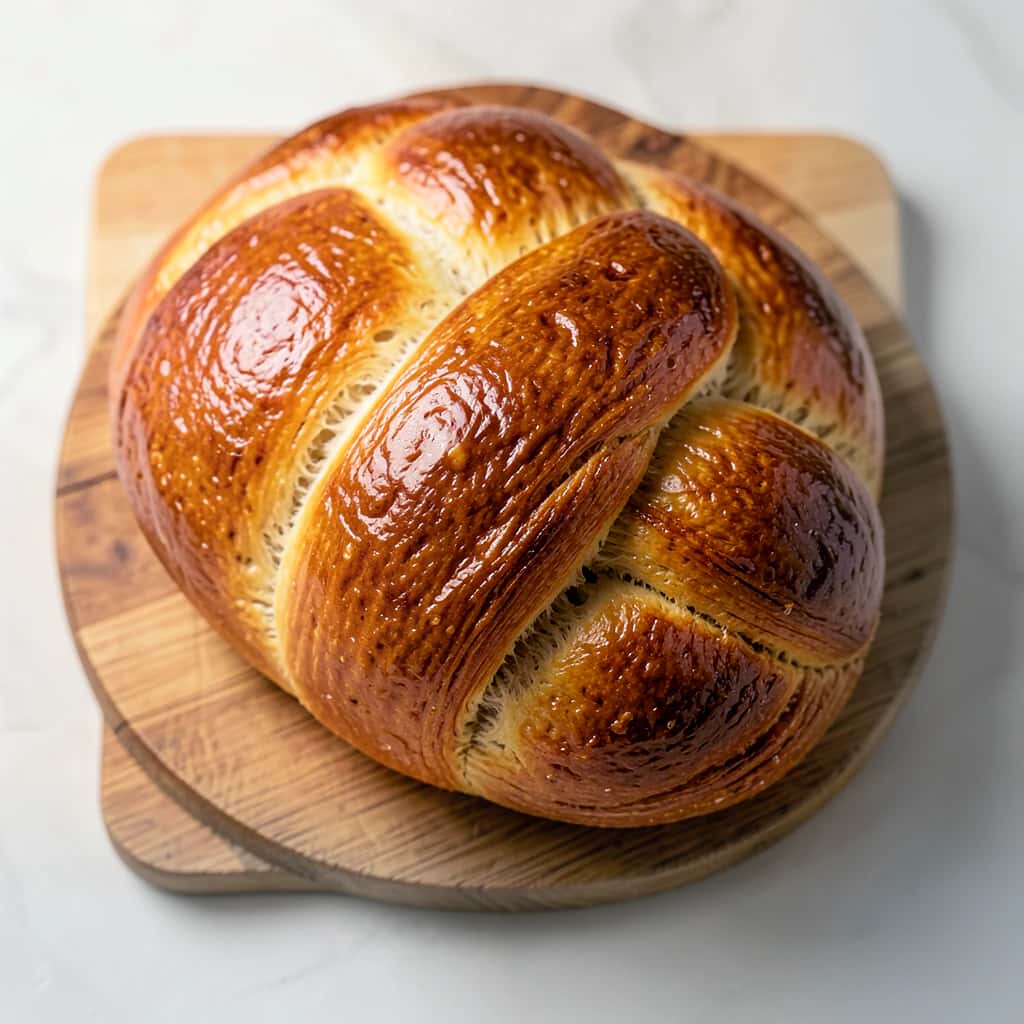
Sourdough Braid
A very special, sweet sourdough braid without yeast, which is really something to be proud of!